
Walk into any flooring showroom right now and you'll find more LVT and SPC options than you can reasonably compare in an afternoon. Planks, tiles, herringbone patterns, different thicknesses, different core constructions — all of them claiming to be waterproof, durable, and realistic in appearance. Most of them are telling the truth. The question is which one is right for your specific floor, your specific space, and the way you actually live.
This isn't a generic overview. It's a practical breakdown of the Xylo LVT and SPC products we supply and install at Floorworks — what each collection does, where each one belongs, and what the differences between them actually mean when the floor is down and you're living on it.
First: What's the Difference Between LVT & SPC Flooring?
These two terms get used interchangeably, and the confusion is understandable — both are vinyl-based, both are waterproof, and from a standing position they look identical. The difference is in the core.
LVT — Luxury Vinyl Tile has a flexible core. It's a layered construction with a vinyl core, a photographic print layer, and a clear wear layer on top. Flexible LVT conforms more readily to minor subfloor imperfections and has a slightly softer feel underfoot. It's installed glue-down — fixed directly to the prepared subfloor with a pressure-sensitive adhesive.
SPC — Stone Plastic Composite has a rigid core made from a blend of PVC and limestone powder. That composite core makes SPC dimensionally more stable than standard LVT — it's harder, denser, and significantly more resistant to the temperature fluctuations that cause flexible vinyl to expand and contract. SPC click products float over an underlay rather than being glued down, which makes them faster to install and easier to replace if a section gets damaged.
The practical difference: SPC handles underfloor heating, conservatories, and rooms with significant temperature variation far better than flexible LVT. LVT glue-down is preferred in commercial environments and high-spec herringbone installations where a permanently bonded floor is the right specification. Both are genuinely waterproof. Both look outstanding when installed correctly.
Why Subfloor Preparation Is Non-Negotiable for Both
Before getting into the products, this is the single most important thing to understand — because it's what most people find out too late.
LVT and SPC are thin. Both Xylo LVT and SPC products run at 3mm to 6.5mm thickness. That thinness is part of what makes them practical — low floor profile at doorways, minimal height difference between rooms. But it also means there is nowhere for subfloor imperfections to hide.
A concrete subfloor with even minor ridges or dips will show through a thin vinyl floor within weeks of installation. Any timber subfloor needs to be overlaid with flooring-grade plywood before LVT or SPC goes down — original floorboards, regardless of how flat they look, are not a suitable direct base for these products. For glue-down LVT specifically, even when a concrete subfloor is level, a smoothing compound application is almost always required to create the consistent, smooth surface the adhesive needs.
At Floorworks, subfloor preparation is always part of our LVT installation process — concrete floors are levelled with smoothing compound, primer and liquid DPM applied where moisture readings require it, and timber subfloors assessed for plywood overlay before any product goes down. It's what determines whether the floor performs well for ten years or develops problems in the first twelve months.
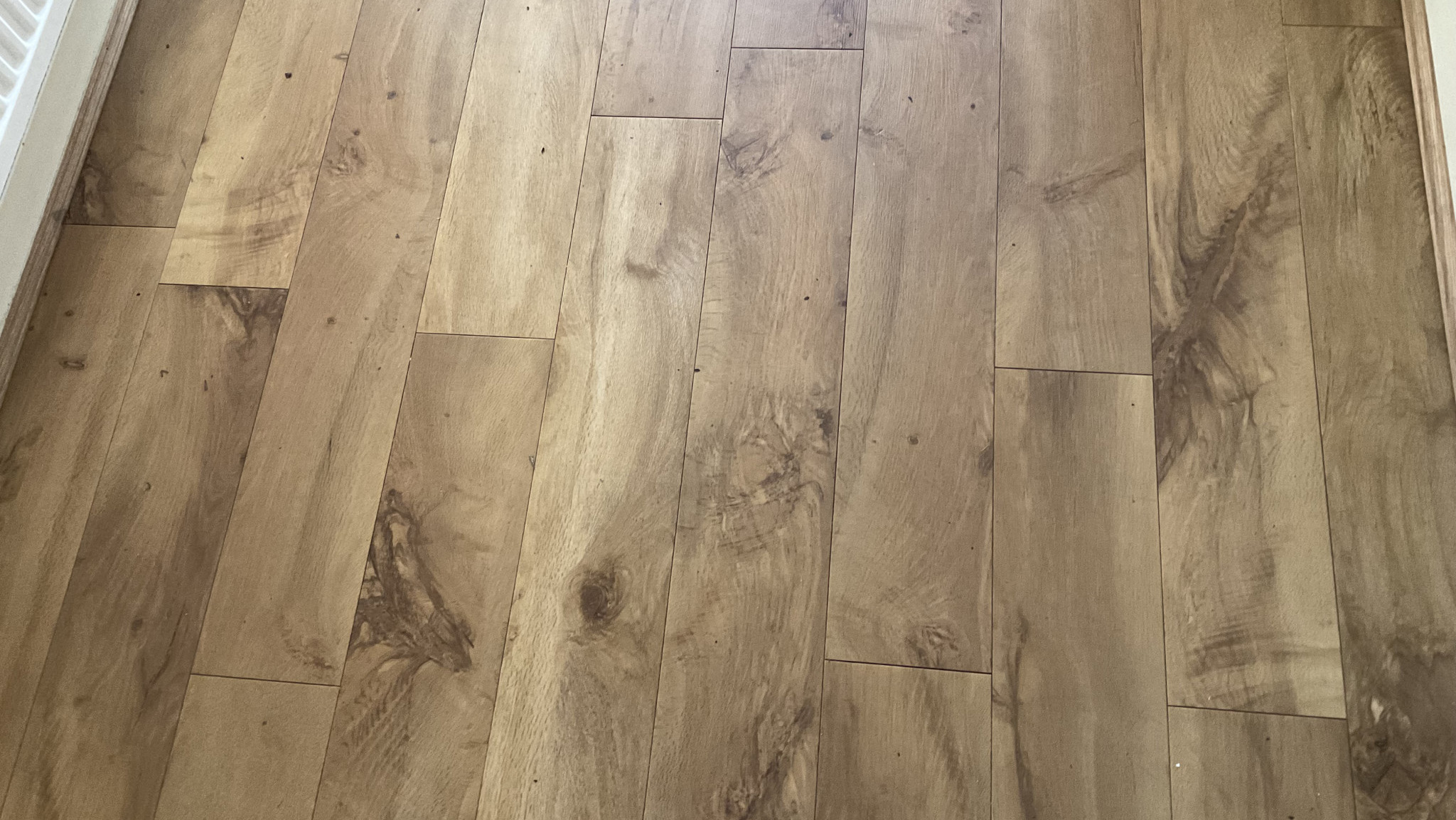
The Xylo Range: Two LVT Collections and an SPC Range
At Floorworks, the vinyl products we supply and install from Xylo fall into two distinct formats: flexible dryback LVT and rigid SPC click. Here's how they break down.
Xylo Pimlico — Dryback LVT Plank, 180mm x 3mm
Pimlico is the straight-lay plank format in the Xylo LVT range — a 180mm wide, 3mm thick flexible dryback product installed by gluing directly to the prepared subfloor. The 180mm plank width works well across most residential and commercial rooms without dominating smaller spaces or looking narrow in larger ones.
Being a dryback product, Pimlico doesn't float — every plank is bonded directly to the subfloor with pressure-sensitive adhesive. This makes it the right specification for commercial environments, high-traffic residential spaces, and any situation where the absolute stability of a permanently bonded floor matters more than the convenience of a floating installation. There's no movement underfoot, no flex at the joints, and no possibility of planks lifting over time.
Pimlico is available in eleven colourways, all shared across the Xylo range:
Ocean Dunes — a light, pale tone in the warm cream spectrum, the lightest option in the range. Works beautifully in spaces with limited natural light where a floor that opens the room up visually is the priority.
Tuckers Point — a warm mid-brown that reads as natural oak. Versatile, unpretentious, and works in almost any interior without demanding attention.
Royal Canberra — a cooler mid-tone with greyer undertones than Tuckers Point. The choice for contemporary interiors where the floor needs to sit in a cooler, more neutral palette.
Ocean Ridge — a deeper, richer brown that brings warmth and weight to a room without going as dark as the Heritage or Rookery tones.
Sea Pines — a greyed-out mid-brown sitting between the warm and cool ends of the palette. Works particularly well in open-plan spaces where the floor has to read as neutral under different lighting conditions throughout the day.
Finca — a warm, slightly rustic mid-tone with character in the grain print. Suits period properties and interiors where a floor with a bit of life in it is preferred over a clean, uniform tone.
Rookery — a darker, more characterful brown that gives Pimlico its richest finish. Strong in hallways, studies, and rooms where the floor is meant to make an impression.
Heritage — a warm, aged tone that evokes the character of a floor that has been there for decades rather than one just installed. The most distinctive finish in the range for period and traditional interiors.
Silver Rock — a cool grey that sits firmly in the contemporary palette. Works in spaces with a Scandinavian or industrial aesthetic where the floor is the backdrop rather than the feature.
Escena Light Walnut — a warm, mid-toned walnut-effect finish that brings a richer, more characterful quality than a standard oak decor. The choice for clients who want the warmth of walnut without the visual weight of a very dark floor.
Emerald Bay — a distinctive, slightly cooler grey-brown that occupies a unique position in the range — neither a standard grey nor a standard warm oak, but something more individual that suits contemporary spaces where a more personal choice is appropriate.
Browse the full Pimlico range at our LVT products page.

Xylo Holland Park — Dryback LVT Herringbone, 122x610x3mm
Holland Park is the herringbone companion to Pimlico — the same flexible dryback LVT construction, the same eleven colourways, cut to herringbone proportions of 122mm x 610mm x 3mm and installed in the classic interlocking pattern.
The moment a vinyl floor is laid in a herringbone pattern, it stops reading as a practical alternative to timber and starts reading as a design decision. A well-laid Holland Park herringbone in a hallway, kitchen, or open-plan space is one of the most striking floor finishes available at this specification — it has the visual impact of a timber or parquet herringbone without the moisture sensitivity of wood.
The 122x610mm plank dimensions produce a well-proportioned herringbone geometry — not too compressed and not too elongated — which is what makes the pattern read correctly from the main viewpoint in the room. Getting the proportions right matters more than most people realise in a herringbone pattern; poorly proportioned blocks produce a pattern that looks busy or cramped regardless of the quality of the laying.
Because Holland Park is a dryback product, the setting-out and adhesive work require the same level of precision as Pimlico — the pattern geometry is unforgiving of anything less than accurate alignment from the centre point outward. This is why herringbone LVT installation is always carried out by experienced fitters who understand the specific demands of pattern laying in a glue-down format.
All eleven colourways are identical to Pimlico, which means mixing Holland Park herringbone in a hallway with Pimlico plank in an adjoining room produces a seamless colour-matched result — the same decor in two different formats across two connected spaces.
Browse the full Holland Park range at our LVT products page.
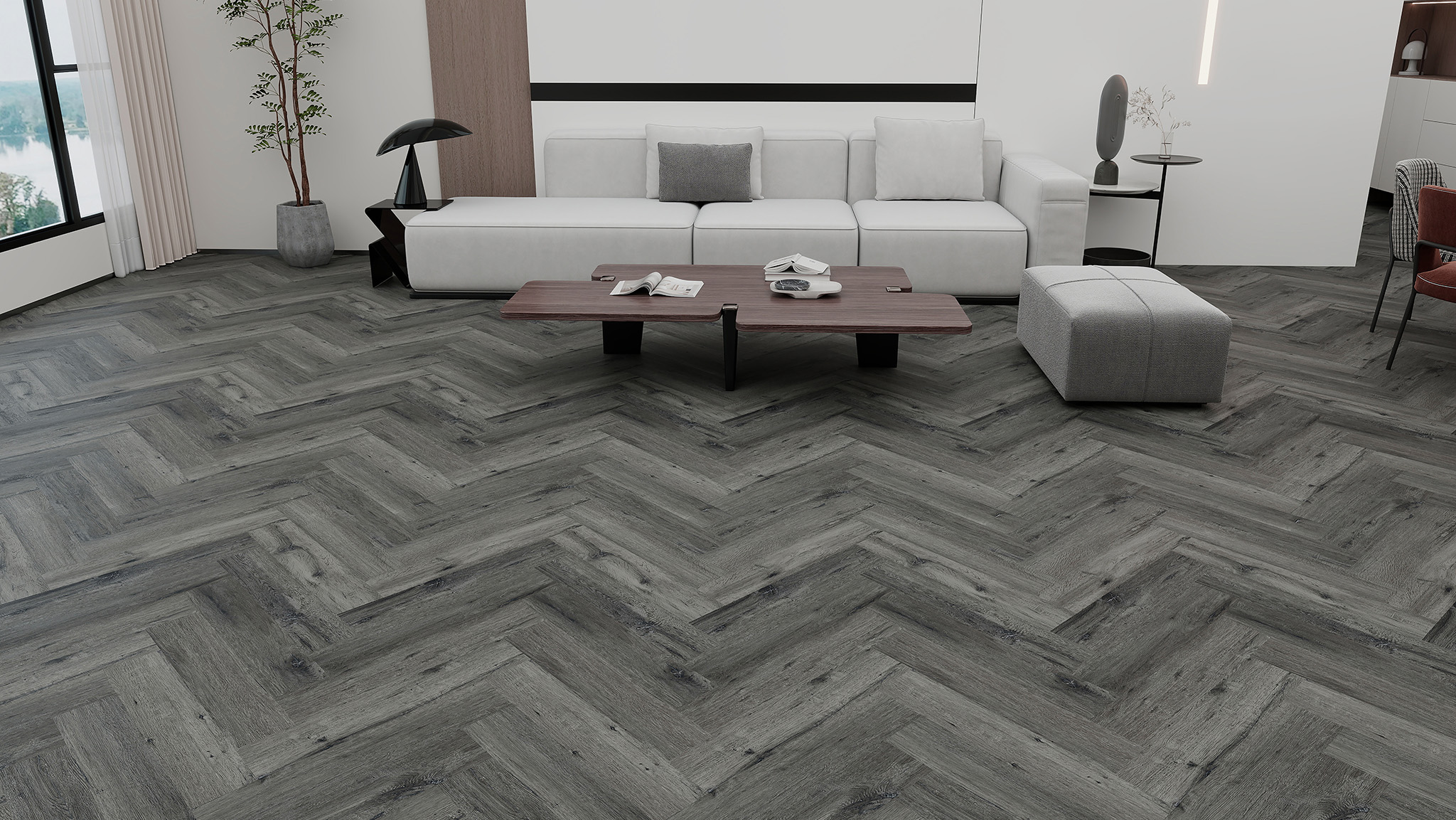
Xylo SPC — Rigid Click Collections
Alongside the dryback LVT range, Xylo produce SPC click collections — rigid core products for floating installation. These include Westminster SPC, Fitzrovia SPC, and the Heritage collection in both plank and herringbone formats. Unlike the Pimlico and Holland Park products, SPC click products float over an underlay rather than being glued down, making them faster to install and better suited to residential projects where underfloor heating or temperature fluctuation are factors.
For the full Xylo SPC collection see our LVT and SPC products page.
Dryback LVT vs SPC Click: Which Format Is Right for Your Space?
Choose dryback LVT (Pimlico or Holland Park) when: The space is commercial or high-traffic and a permanently bonded floor is the right specification. The design calls for herringbone in a kitchen, hallway, or open-plan space where waterproof performance is essential. You want the premium stability and zero-flex feel of a glued floor over the convenience of a floating one.
Choose SPC click when: The installation is residential and floating is the practical approach. The room has underfloor heating or significant temperature variation. The subfloor is in reasonable condition and doesn't require the comprehensive smoothing preparation that dryback demands. Convenience of installation and future replaceability are priorities.
Both are waterproof. Both look outstanding when correctly installed. The decision is about the installation method, the performance requirements of the space, and the subfloor conditions — all things we assess at the site visit before making a recommendation.
Our LVT and SPC installation service covers both formats across London, and every installation comes with our two-year Service Guarantee.
Xylo offers two dryback LVT collections — Pimlico (straight plank, 180 mm x 3 mm) and Holland Park (herringbone, 122x610mm x 3mm) — available across eleven shared colourways from pale Ocean Dunes through warm mid-tones to the character-led Heritage and Rookery. Alongside these, the Xylo SPC click range covers Westminster, Fitzrovia, and Heritage collections for floating installation.
What every one of these products has in common is that the installation determines the performance as much as the product itself. Subfloor preparation, correct adhesive application for dryback products, and precise setting-out for herringbone patterns are what separate a floor that performs well for a decade from one that shows problems within months.
Get in touch to book a free site visit — we cover London and the surrounding areas.


