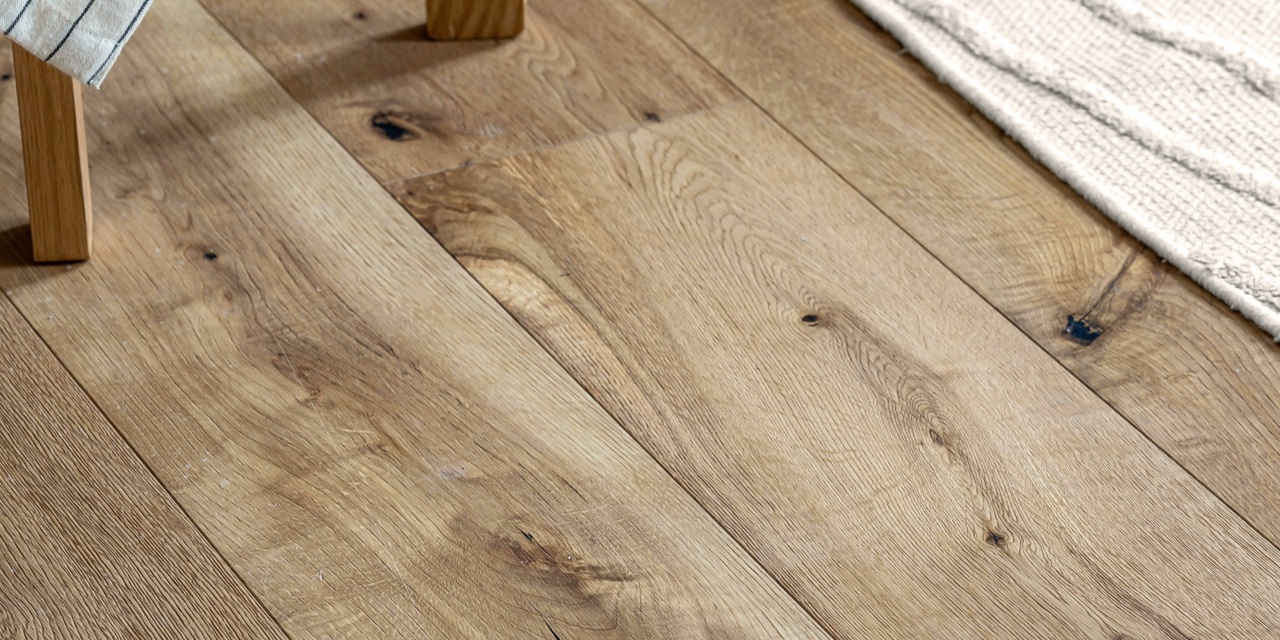
Dreaming of warm toes and the timeless beauty of wood underfoot? You're in luck! Combining underfloor heating (UFH) with wooden flooring is a fantastic way to achieve both comfort and style in your home here in Kingston upon Thames. But getting it right means understanding a few key things about product compatibility and installation.
Let's dive into the world of UFH and how to pair it perfectly with the right engineered wood flooring.
A Quick Look at Underfloor Heating Systems
Underfloor heating systems typically come in two main types:
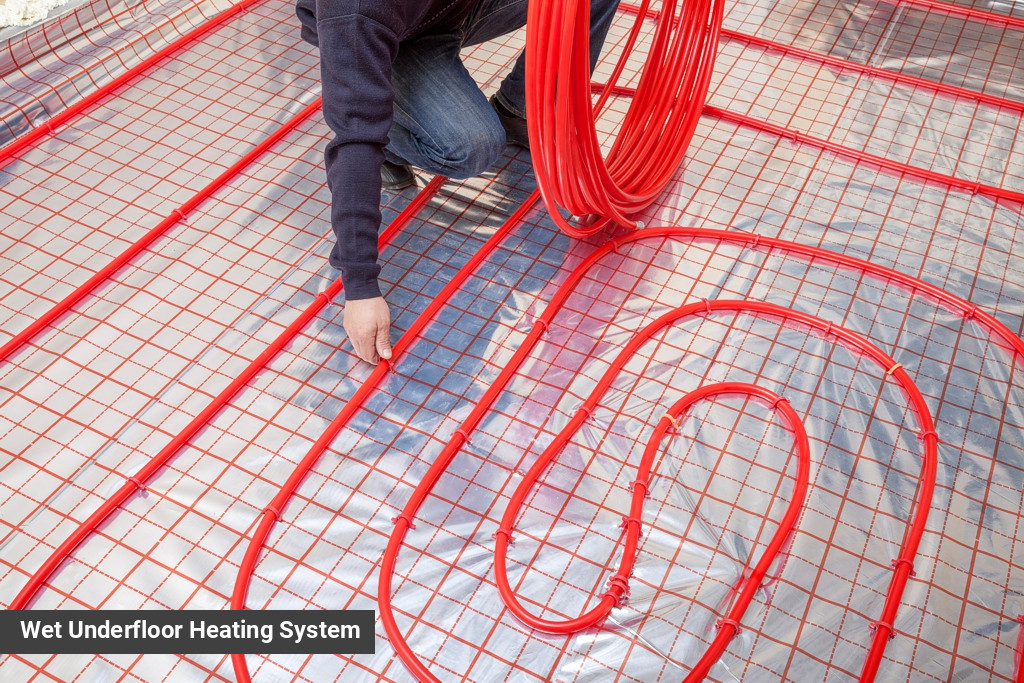
Wet (Water Pipe) Systems: These systems involve a network of pipes laid within your subfloor (often a screed layer), through which warm water circulates. They're highly efficient for heating larger areas and new builds.
Electric Cable Systems: These use electric heating cables or mats laid directly beneath your flooring. They're often thinner and quicker to install, making them popular for smaller rooms or renovations.
Both types can work beautifully with engineered wood flooring, but the method of installation for your wood floor will depend on the type of UFH and the flooring itself.
Engineered Wood: The Perfect Partner for UFH
While solid wood flooring can be prone to warping or gapping with temperature fluctuations, engineered wood flooring is specifically designed for stability, making it the ideal choice for installation over underfloor heating. Its multi-layered construction helps it withstand the temperature changes from the heating system without issues.
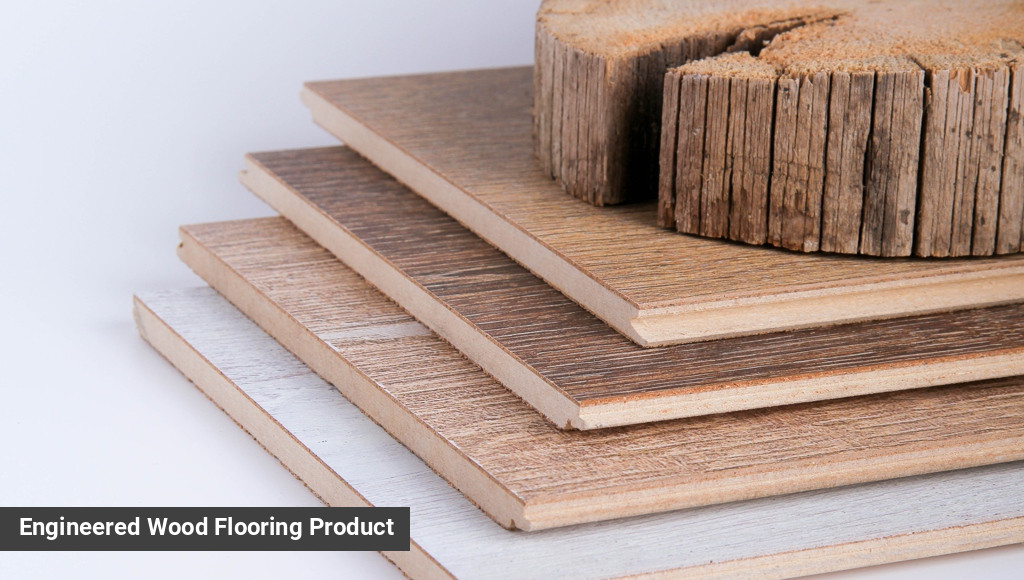
What is engineered wood flooring product?
Engineered wood flooring comprises of top wear layer, usually between 3 mm and 6 mm and bottom layer, which is usually made of pine timber or plywood - both of these wooden materials, have a better resilience to humidity and moisture changes, which makes this product less likely to be affected by humid environment.
Product Advice: Thickness and Installation Methods
When selecting your engineered wood flooring, pay close attention to its thickness and how it's designed to be installed:
14mm or 15mm Thick Engineered Wood: These are very popular choices for UFH. You'll find many excellent options in these thicknesses, and they often come with either tongue-and-groove or click-system joints.
For tongue-and-groove engineered flooring, it's crucial that these products are glued-down directly to a suitable subfloor over your UFH. This ensures maximum stability and optimal heat transfer.
Click-system planks, on the other hand, offer more flexibility. They can often be floated over the UFH system with an appropriate underlay designed for underfloor heating. This underlay is vital for efficient heat transfer and preventing heat pockets.
18 mm and 20 mm Thick Engineered Wood: If you're looking for a more substantial feel underfoot, engineered wood products in 18 mm and 20 mm thicknesses are also available. However, these thicker options are always tongue-and-groove and, as such, require a glue-down installation over underfloor heating. Their greater mass means they need to be fully bonded to the subfloor for stability and effective heat distribution.
The Special Case: Herringbone / Chevron Flooring
Herringbone and chevron parquet flooring installations, with their intricate design and smaller individual pieces, present a unique consideration. Due to the complexity of the pattern and the size of the flooring pieces, parquet flooring products are always installed as glue-down. This applies regardless of the product's thickness or if it technically has a click-system.
At Floorworks, we recommend a glue-down installation even for click-system herringbone products when going over underfloor heating. This ensures the utmost stability, prevents any potential movement in the intricate pattern, and guarantees the best performance from your UFH system.
Need Advice for Underfloor Heating & Wooden Floors?
If you have any questions or need further advice about having wooden floors with underfloor heating, don't hesitate to get in touch with our experts at Floorworks!

Key Takeaways for Your Project:
Engineered wood is your go-to for UFH.
Thinner engineered boards (14mm/15mm) offer more flexibility: glue-down for tongue-and-groove, or floating with UFH-compatible underlay for click-systems.
Thicker engineered boards (18mm/20mm) are always glue-down due to their construction.
Herringbone patterns are always glue-down, and Floorworks highly recommends this method for optimal performance, even for click-system herringbone.
Always ensure your chosen underlay (if floating) is specifically designed for use with underfloor heating.
Always follow the guildelines of your professional floor installer or the manufacturer for both your UFH system and your chosen engineered wood flooring.
By following these guidelines, you can confidently combine the luxurious warmth of underfloor heating with the lasting beauty of engineered wood, creating a perfectly comfortable and stylish space in your home.