
Introduction: Breathing New Life into Your Hardwood Floors
Solid wood flooring stands as a timeless and valuable asset within any property, renowned for its inherent beauty and enduring quality. Despite its robust nature, the passage of time, coupled with daily foot traffic and environmental factors, can gradually diminish its original luster and appeal. Scratches, dents, discoloration, and general wear can transform a once vibrant surface into a dull and uninviting expanse. Professional wood floor restoration is not merely a superficial aesthetic enhancement; it represents a comprehensive and transformative process designed to revitalize the flooring from its core. This intricate service significantly improves a property's visual appeal, substantially increases its market value, and critically extends the functional lifespan of the wood itself. A meticulously restored floor can instantly breathe new life into a space, rendering it more inviting, fresh, and inherently attractive to both occupants and prospective buyers.
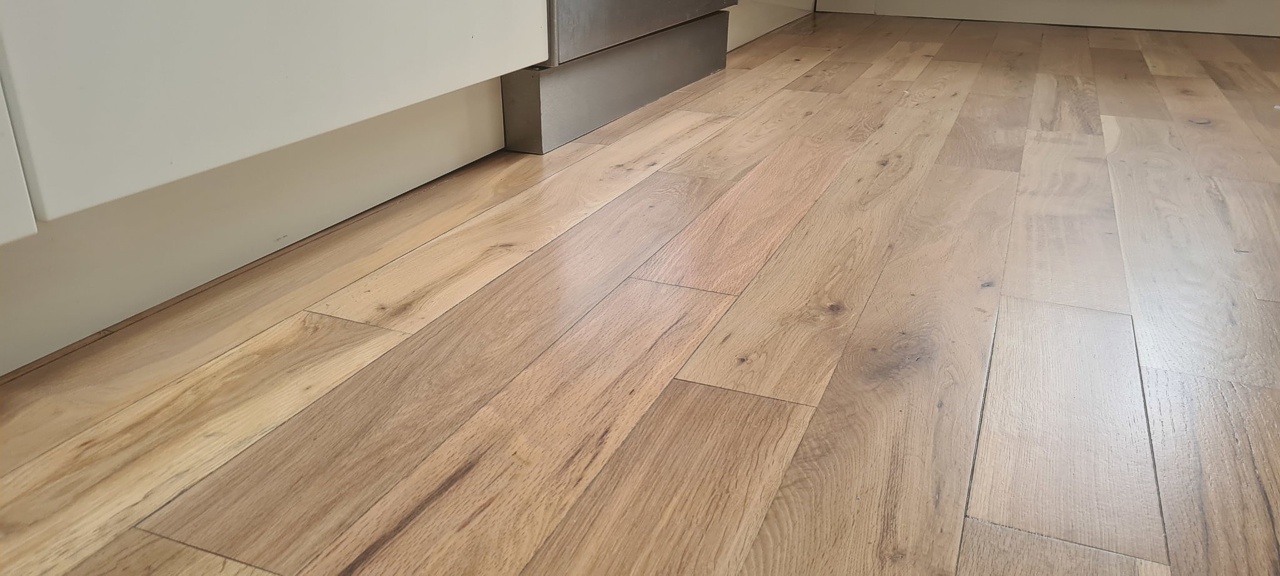
Understanding Solid Wood Floor Restoration: More Than Just a Sand
The terminology surrounding wood floor care can often be a source of confusion for property owners. To ensure clarity and establish a precise understanding of the scope of work involved, it is essential to differentiate between commonly interchanged terms: sanding, refinishing, and full restoration.
Defining Key Terms
Wood Floor Sanding serves as the foundational preparatory step in the restoration process. It involves the systematic removal of the old, damaged surface finish using specialized abrasive machinery. This crucial procedure exposes the raw, unblemished wood beneath, creating an ideal base for subsequent treatments. While indispensable, sanding alone constitutes only a single component of a broader restoration effort.
Wood Floor Refinishing encompasses a more extensive scope, combining the essential sanding process with the application of a new protective finish, such as an oil, lacquer, or varnish. The primary objective of refinishing is to enhance the floor's appearance and provide a renewed protective layer against wear. However, it typically does not extend to structural repairs of the underlying wood.
Full Wood Floor Restoration represents the most comprehensive service available, integrating sanding and refinishing with critical structural and aesthetic repairs. This holistic approach can involve replacing or securely fastening loose or damaged floorboards, meticulously filling large gaps between planks to create a seamless surface, and even leveling the subfloor to ensure complete stability and evenness. True restoration aims not only for an aesthetic improvement but also for the complete structural integrity of the flooring. This comprehensive process is particularly necessary in instances of extensive damage or when preserving and revitalizing historical floors.
Scope of Services in Restoration
A full wood floor restoration encompasses a diverse array of techniques and services, each contributing to the floor's complete revitalization:
Repairs: This addresses a spectrum of damage, from minor surface scratches to significant structural issues. It includes rectifying loose planks, filling unsightly gaps, and repairing damage caused by moisture.
Staining: Following sanding, the exposed raw wood offers an opportunity for complete color customization. Staining allows for the adaptation of the floor's hue to align with contemporary interior design trends or simply to refresh its original color.
Deep Cleaning: Over time, dirt and grime can accumulate within the wood grain and cracks, dulling the floor's appearance. Deep cleaning methods are employed to thoroughly remove these embedded particles. For routine care between restorations, see how to clean wooden floors safely.
Buffing and Polishing: As a final, meticulous touch, buffing and polishing enhance the floor's sheen, delivering a smooth, attractive, and refined surface.
Water Damage Remediation: Professional restoration addresses issues such as warping or buckling that result from prolonged moisture exposure, often requiring specific repair techniques or board replacement.
The distinction between these services is paramount. Some companies might offer basic sanding while marketing it as a full restoration, leading to client dissatisfaction and incomplete results. A truly professional company, however, meticulously defines each term and the precise scope of its offerings. This transparency is fundamental for building client trust and clearly articulating the comprehensive value of a proper restoration. It ensures that clients fully comprehend the investment they are making and the long-term benefits of a thorough, integrated approach, as opposed to a superficial cosmetic fix. This level of clarity also sets accurate expectations regarding project duration and overall cost.
Furthermore, a professional restoration is recognized as a holistic solution. It extends beyond merely improving the floor's appearance; it fundamentally enhances its performance and extends its lifespan. By addressing underlying structural issues, such as loose boards or uneven subfloors, and applying robust protective layers, the service delivers a durable and resilient asset. This comprehensive care signifies a deeper level of expertise and commitment to the floor's long-term health and integrity, surpassing the capabilities of a simple aesthetic refresh.
The Unbeatable Benefits of Professional Wood Floor Restoration: A Smart Investment
Investing in professional solid wood floor restoration yields a multitude of advantages that extend far beyond immediate visual appeal, making it a strategically sound decision for any property owner.
Enhanced Aesthetics and Style Flexibility
Restoration fundamentally transforms the appearance of worn floors by effectively removing unsightly scratches, dents, and dullness, thereby reinstating the wood's inherent charm and beauty. A significant advantage of this process is the opportunity it presents for complete aesthetic customization. Property owners can choose to alter the stain color or select from various sheen levels—glossy, semi-gloss, satin, or matte—to align the floor with current interior design trends or simply to rejuvenate its original hue. This flexibility is so profound that the transformation can often feel akin to installing entirely new flooring, but at a fraction of the cost.
Increased Home Value and Return on Investment (ROI)
Well-maintained wooden floors are a significant asset that can substantially increase a home's market value, making it highly attractive to potential buyers and providing a competitive advantage in the housing market. Studies consistently demonstrate a high return on investment for wood floor refinishing, with homeowners often recovering more than the project's initial cost upon sale. Some analyses indicate an impressive ROI ranging from 70% to 150%, with certain studies even reporting figures as high as 348% for refinishing projects.
Cost-Effectiveness Compared to Replacement
One of the most compelling arguments for restoration is its remarkable cost-effectiveness. The expense of refinishing is typically a fraction of what would be incurred for a complete flooring replacement, often costing 50-75% less. This makes restoration an appealing choice for those seeking to refresh their home's appearance without undertaking a substantial financial burden. Moreover, restoration preserves the original charm and unique character of existing floors, qualities that new installations may inherently lack.
Improved Durability and Longevity
The restoration process not only eliminates surface imperfections but also involves the application of a new, robust protective layer. This fresh finish significantly guards against future scratches, dents, and water damage, thereby extending the floor's lifespan. This protective coating can add years, often 10 to 15 years or more, to the floor's functional life, rendering it considerably more resilient against the rigors of daily wear and tear.
Healthier Indoor Air Quality and Eco-Friendliness
Worn and damaged wooden floors can develop grooves and cracks that act as traps for dust, allergens, and various pollutants, negatively impacting indoor air quality. Restoration effectively removes these hidden irritants and seals the surface, leading to a cleaner and healthier living environment, which is particularly beneficial for individuals with allergies or asthma.
Beyond personal health, choosing to refinish rather than replace hardwood floors is an environmentally responsible decision. It minimizes waste by extending the utility of existing materials, thereby reducing the demand for new lumber and conserving natural resources. This sustainable approach prevents materials from ending up in landfills, contributing to a healthier planet. In an era of heightened environmental awareness and a growing focus on personal well-being, framing wood floor restoration as a "green" and "healthy home" choice is a powerful and increasingly relevant value proposition. This positions a professional company not merely as a service provider but as a partner in fostering a more responsible and health-conscious living space, appealing to a market segment that prioritizes sustainability and well-being.
Low Maintenance and Increased Safety
Newly refinished floors exhibit enhanced resistance to stains and spills, simplifying daily cleaning routines. The smooth, sealed surface prevents dirt and dust from embedding into the wood, allowing for effortless sweeping or vacuuming to maintain its pristine appearance. Furthermore, restoration addresses damaged or uneven areas by removing surface imperfections, leveling uneven sections, and sealing gaps or cracks. This significantly reduces the risk of trips, falls, and associated injuries, contributing to a safer home environment.
Preserving Historical Charm and Character
For properties of historical significance or older homes, restoration offers a unique opportunity to preserve the authentic charm and character of the space. Original wooden floors often feature distinctive elements such as intricate patterns, inlays, or wide plank designs, which would be irrevocably lost if the flooring were entirely replaced with modern alternatives.
Quicker Process
Generally, wood floor restoration is a considerably quicker process than the installation of new flooring. Depending on the size of the area and the extent of the damage, most restoration projects can be completed within a few days.
The financial benefits of restoration extend beyond the immediate point of sale. The return on investment is a continuous advantage realized throughout the extended lifespan of the floor. By delaying the need for complete replacement for decades and reducing ongoing maintenance costs due to improved durability and ease of cleaning, property owners experience sustained financial savings and an enhanced quality of life. This positions restoration as a long-term strategic investment in both property value and living quality, rather than simply a one-time aesthetic upgrade.
Wood Floor Restoration vs. Replacement: A Cost-Benefit Analysis
| Aspect | Restoration | Replacement |
|---|---|---|
| Cost | Fraction of replacement cost (50-75% less) | High cost |
| Return on Investment (ROI) | High ROI (70-348% reported) | Varies, significant initial investment |
| Durability | Extends life by 10-15+ years | New lifespan, dependent on material |
| Environmental Impact | Eco-friendly (minimizes waste, conserves resources) | Higher environmental footprint (new materials, waste) |
| Maintenance | Low maintenance (sealed surface, easy to clean) | New maintenance requirements |
| Preservation of Character | Preserves original charm and historical features | Lacks original character |
The Professional Restoration Process: A Step-by-Step Journey to Perfection
Professional wood floor restoration is a meticulous, multi-stage process that demands precision, expertise, and specialized equipment to achieve optimal and lasting results.
1. Initial Assessment and Preparation
The restoration journey commences with a crucial assessment of damage. A thorough inspection is conducted to ascertain the extent of existing damage, which may include scratches, dullness, water damage, creaking boards, or gaps. This initial evaluation is critical for determining the most appropriate and effective restoration methodology. During this phase, professionals also meticulously check for any raised nail heads, loose boards, and potential underlying subfloor issues that require attention.
Following the assessment, the area preparation phase begins. This involves the careful removal of all furniture, rugs, and curtains from the workspace. Doors and shoe molding are meticulously removed and labeled to ensure their correct reinstallation. The floor then undergoes a thorough cleaning, typically involving vacuuming and/or mopping, to eliminate all dirt and debris. A critical step in preparation is the implementation of
protection against dust. The room is sealed off with plastic sheeting over air vents, lights, windows, and doorways to effectively contain dust generated during the sanding process. For the safety of the technicians, proper masks or respirators are considered essential.
2. The Multi-Stage Sanding Process
The core of wood floor restoration lies in the sanding process. Its primary purpose is to systematically remove the old finish, level out the wood surface, smooth out imperfections, and prepare the wood to receive a new protective finish. It is important to understand that each sanding session removes approximately 1-2mm of wood from the surface. This highlights the critical importance of professional precision to prevent excessive thinning of the boards, which could weaken their structural integrity and reduce the floor's overall lifespan.
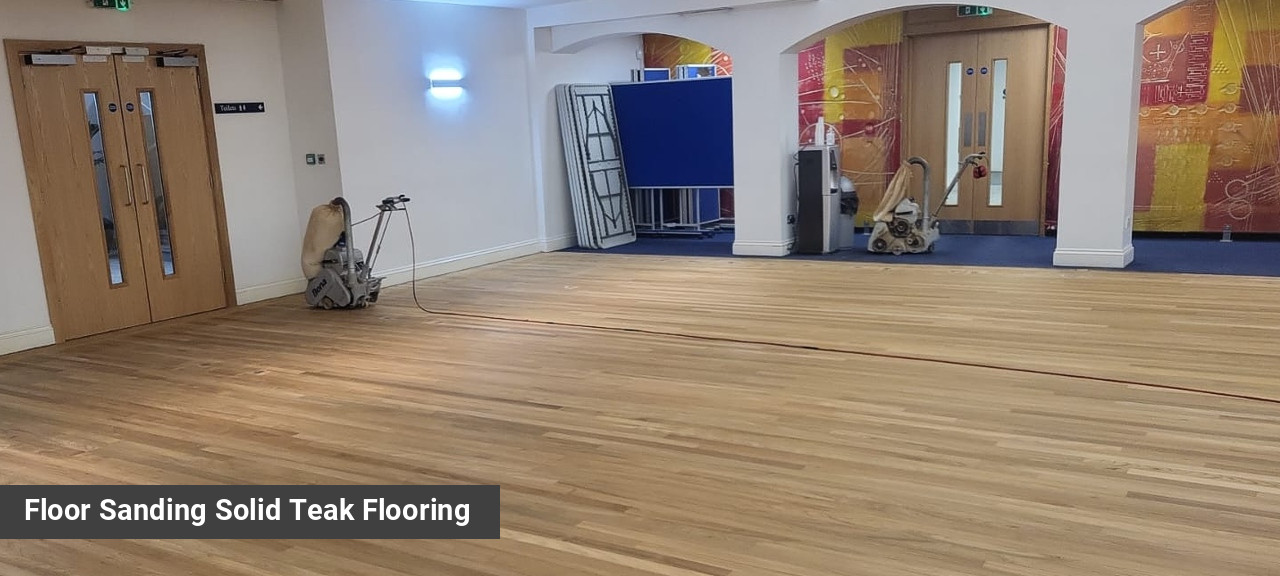
Professionals utilize specialized equipment tailored to different aspects of the sanding task. Drum sanders are typically employed for large, expansive, or uneven areas, while orbital or random orbital sanders are preferred for flat floors and achieving a fine finish. For the intricate work around room perimeters and corners, edger sanders are indispensable.
Sanding is executed in a series of passes, employing a progressive grit sequence. This involves starting with coarser grits to aggressively remove old finishes and level the surface, then gradually transitioning to progressively finer grits to refine and smooth the wood.
Rough Sanding: This initial pass utilizes coarse-grit abrasives (e.g., 24-36 grit) to strip away the old finish, level uneven boards, and eliminate significant surface damage, paint, or previous coatings. For very old or heavily damaged floors, a 24-grit may be used, often with an initial diagonal pass followed by a straight pass to ensure thorough removal. Newly installed floors or those with minimal finish might commence with a 36-grit.
Medium Sanding: A mid-range grit (e.g., 60-grit) is then used to further refine the floor, smoothing out any marks left by the rough sanding stage. This step begins to unveil the wood's natural grain and character.
Fine Sanding: The final sanding pass employs fine abrasives (e.g., 80-100 grit) to create a perfectly smooth, even surface, preparing the floor for staining or finishing. Light pencil lines can be drawn on the floor before this stage to ensure complete and uniform coverage.
A fundamental rule in sanding technique is to always work in the direction of the wood grain. Disregarding this principle can result in visible swirl marks, uneven patches, and a rougher texture that becomes pronounced after the finish is applied. For each grit level, the drum sander is typically used first for the main field areas, followed by the edger for the areas the drum cannot reach.
After the final sanding pass, a final buffing is performed using a pole sander or a buffer equipped with 100- or 120-grit abrasives. This step creates a shallow, uniform scratch pattern across the entire floor, which is crucial for ensuring optimal adhesion of the subsequent finish coats.
The detailed, multi-stage nature of the sanding process underscores that wood floor sanding is not a simple DIY task, particularly for floors with significant damage or those in older properties. The risk of irreversible damage, such as thinning boards, visible swirl marks, or compromised structural integrity, is high if improper techniques or unsuitable equipment are used. This complexity reinforces the critical value of professional expertise and specialized equipment, positioning professional service as essential for preserving the floor's integrity and avoiding costly mistakes. The investment in professional service is an investment in the long-term health and aesthetic quality of the floor.
Professional Sanding Grit Sequence Guide
| Sanding Stage | Grit Range (Example) | Purpose | Key Considerations |
|---|---|---|---|
| Rough Sanding | 24-36 grit | Remove old finish, level, eliminate surface damage, paint, or previous coatings | Initial passes for heavy damage, old finishes, or unevenness |
| Medium Sanding | 60 grit | Refine the floor, smooth marks from rough sanding, reveal natural grain | Refinement stage, prepares for finer detail |
| Fine Sanding | 80-100 grit | Create a smooth, even surface, prepare for staining or finishing | Final smoothness, critical for finish quality |
| Final Buffing / Polishing | 100-120 grit | Create a uniform scratch pattern for optimal finish adhesion | Blending and ensuring a perfect base for sealant |
3. Addressing Repairs
Integral to full restoration is the meticulous repair of any damage. Minor scratches and dents can often be effectively buffed out with a dedicated reviver or filled using appropriate wood filler. For
deep gouges or holes, matching wood filler is applied, slightly overfilling the area, then sanded flush with the surrounding wood once dry.
Loose or damaged boards require more extensive intervention, often involving replacement or secure re-fastening. This may necessitate carefully cutting out the damaged section and fitting a new, perfectly matching piece of flooring, secured with wood glue and finishing nails. A thorough inspection and leveling of the subfloor may also be necessary to prevent recurrence.
Gaps between boards are meticulously filled to achieve a seamless and uniform appearance. While prevention is key, water-damaged warped or buckled boards may require professional replacement.
The interconnectedness of these restoration steps is crucial. The process is a highly integrated and sequential operation where the quality of each stage directly influences the next and the overall final outcome. For instance, inadequate sanding will inevitably lead to a poor finish quality , and improper repairs will compromise the structural integrity of the floor, even if the surface appears visually appealing. This highlights the necessity of a comprehensive, skilled approach rather than a piecemeal one, demonstrating that a professional company manages this intricate sequence to deliver a flawless and durable result. This reinforces the understanding that true restoration is a specialized craft, not merely a series of disparate tasks.
4. Staining for Color Customisation
Once the sanding process is complete and the raw wood is exposed, it is ready for staining. This step allows for precise color customization, enhancing the wood's natural beauty and enabling the property owner to achieve their desired aesthetic. It is always recommended to test the chosen stain on an off-cut or an inconspicuous area first to ensure the desired color match.
5. Finishing and Polishing for Protection and Sheen
The final stage involves the application of a protective finish. Typically, two coats of a clear polyurethane varnish or the chosen finish are applied to safeguard the repaired areas and the entire floor. Each coat must be allowed to dry thoroughly, with light sanding between applications to ensure a clean, smooth, and well-adhered finish. The restoration culminates with polishing, a final buffing and polishing to achieve the desired sheen—be it glossy, semi-gloss, satin, or matte—which enhances the floor's shine and provides a smooth, attractive surface.
Choosing the Right Finish for Lasting Beauty and Protection
The selection of the appropriate wood floor finish is a critical decision that profoundly impacts not only the visual appeal but also the long-term performance, maintenance requirements, and even the indoor air quality of a space. A professional company guides clients through this choice, considering various factors to ensure the chosen finish aligns with the client's practical needs and values, thereby maximizing satisfaction and the longevity of the restoration. This demonstrates a consultative approach, positioning the company as an expert advisor, not merely an applicator.
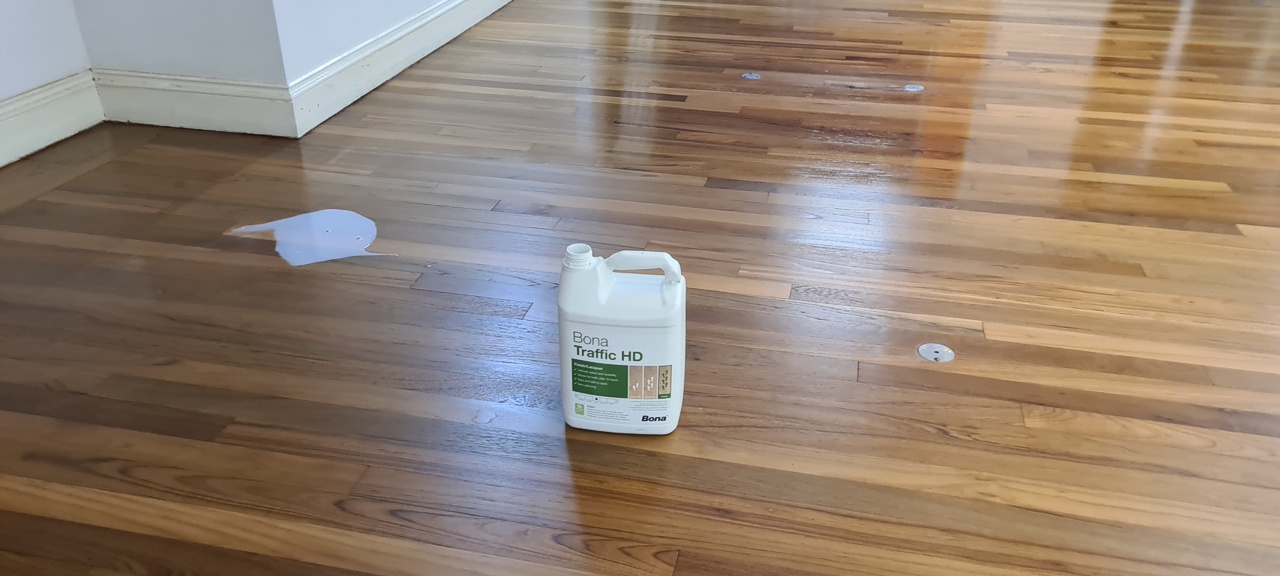
Overview of Common Finishes
Polyurethane (Surface Finish): This is one of the most widely used wood floor coatings, primarily due to its exceptional durability and protective qualities.
Water-Based Polyurethane: Characterized by faster drying times, lower odor, and reduced toxicity. It preserves the wood's natural color, offering a clear and contemporary aesthetic. This option is also eco-friendly, with minimal VOC (Volatile Organic Compound) emissions, and provides high scratch resistance. While it can be slightly more expensive, its benefits often outweigh the cost.
Oil-Based Polyurethane: Imparts a warm, amber hue to the wood, enhancing its natural beauty and richness. It requires longer drying times but offers high durability, excellent protection, and good water resistance. It may, however, exhibit yellowing over time.
Moisture-Cured Polyurethane: A solvent-based option known for its hard surface and superior protection against daily wear and tear. Its strong water resistance makes it particularly suitable for high-traffic and humid environments.
Penetrating Oils (e.g., Tung Oil): These finishes soak deep into the wood, enhancing its natural grain and texture. They provide a natural, matte appearance and are relatively easy to spot-repair. Penetrating oils also nourish and protect the wood, preventing it from becoming dry and brittle. However, they may not offer the same level of protection against moisture and heavy wear as polyurethane finishes.
Wax Finishes: Known for creating a smooth, polished appearance, wax finishes offer surface-level protection against scratches and dry quickly. They penetrate the wood, forming a protective seal, and are maintained through additional thin applications of wax. Wax provides a softer sheen and is generally more suitable for low-traffic areas, often requiring more frequent polishing.
Key Considerations for Finish Selection
Wood Species: Different wood species possess varying hardness levels and grain patterns, which can influence how different coatings adhere and perform.
Wear Resistance/Durability: This is a crucial factor, especially for areas subjected to heavy foot traffic. Polyurethane, both water-based and oil-based, is recognized for its excellent wear resistance and overall durability.
Aesthetic Preferences (Sheen Levels): Finishes are available in various sheen levels to achieve the desired visual effect:
Glossy: Offers the highest level of shine and reflectivity, often chosen for formal or commercial spaces.
Semi-Gloss: Strikes a balance between shine and durability, providing a moderate sheen that is easier to maintain. It is a popular choice for many residential applications.
Satin: Features a soft, subtle sheen that enhances the wood's natural beauty while effectively hiding minor imperfections. Satin finishes are versatile and suitable for a wide range of settings.
Matte: Possesses the lowest level of shine, appearing nearly flat. It creates a natural and rustic appearance, making it ideal for casual and traditional spaces.
Environmental Impact (VOCs): For environmentally conscious clients, low-VOC or zero-VOC coatings are preferred as they release fewer harmful chemicals into the air during application and drying. Water-based finishes generally have a lower VOC content compared to oil-based options.
Maintenance Requirements: The type of finish chosen will directly influence the ongoing maintenance needs of the floor.
Common Wood Floor Finishes: Characteristics & Suitability
| Finish Type | Key Characteristics | Durability | Drying Time | VOC Level | Aesthetic (Hue/Clarity) | Maintenance Requirement | Suitability (Traffic/Environment) |
|---|---|---|---|---|---|---|---|
| Water-Based Polyurethane | High scratch-resistance, protective | High | Quick | Low/Minimal | Clear, maintains natural color | Low – periodic reapplication | High-traffic areas, eco-friendly preference |
| Oil-Based Polyurethane | Durable, water-resistant, enhances wood color | Excellent | 1-2 days | Higher | Warm, amber hue, richer stain | Moderate – regular upkeep needed | High-traffic areas, traditional look |
| Moisture-Cured Polyurethane | Hard surface, excellent protection, strong water-resistance | Strong | 1-2 days | High | Enhances natural colors | Low | High-traffic, humid environments |
| Penetrating Oil | Soaks into wood, enhances grain, easy spot-repair | Moderate | Varies | Moderate to Low | Natural, matte finish | Moderate – regular upkeep needed | Natural look, easy repair, not for high moisture |
| Wax | Smooth, polished appearance, surface-level protection | Lower | Quick | Low | Softer sheen | High – frequent polishing needed | Low-traffic areas, traditional aesthetic |
Maintaining Your Restored Floors: Tips for Long-Term Longevity and Luster
The value of a professional restoration is significantly amplified and sustained through diligent and appropriate ongoing maintenance. Without proper care, even the highest quality restoration will degrade prematurely. This positions a professional company not just as a restorer but as a long-term partner in floor care, offering expert advice and potentially follow-up services like re-coating or inspections. This emphasizes an ongoing commitment to the client's investment and highlights that the company's expertise extends beyond the initial project completion, shifting the perception from a one-off service to a continuous relationship focused on asset preservation.
Regular Cleaning Routines
Consistent cleaning is fundamental to preserving the beauty and integrity of restored wood floors.
Daily: Loose dirt and abrasive particles should be removed daily using a soft-bristled broom or a dry dusting cloth. When vacuuming, it is crucial to use an attachment specifically designed for hardwood floors or ensure the vacuum's beater bar is turned off to prevent scratches.
Weekly: The floor should be mopped weekly with a damp (not wet) microfiber mop and a pH-neutral cleaner formulated specifically for wood floors. Care must be taken to avoid excess water, which can lead to warping or damage.
Monthly/Periodic: A deeper clean should be performed monthly using a wood floor-specific solution to remove any embedded dirt and gently polish the finish. For wax-finished floors, additional thin applications of wax should be applied periodically to maintain luster.
Preventative Measures for Protection
Proactive measures are essential to protect wood floors from common forms of damage.
Furniture Pads: Felt pads should be placed on the bottom of all furniture legs to prevent scratches and dents when items are moved.
Doormats and Area Rugs: Placing rugs or mats at all entrances and in high-traffic zones helps to trap dirt, small stones, and debris before they can scratch the floor surface. It is important to select rugs without rubber backs, as these can discolor wood floors over time.
Humidity Control: Maintaining consistent indoor humidity levels, ideally between 45-60%, is vital. Wood is a natural material that expands and contracts with changes in temperature and humidity, and extreme fluctuations can lead to cracks, gaps, and buckling. Using a dehumidifier in high-humidity areas can help regulate moisture.
Footwear: Walking on hardwood floors with sports cleats or high heels can cause significant scratches or dents. Implementing a "no-shoes" policy can further minimize wear and tear.
Immediate Spill Cleanup: Any spills should be wiped up immediately with a soft, dry, or slightly damp cloth, working from the edges of the spill inwards. Allowing spills to remain can damage the finish and the wood itself.
Avoid Harsh Chemicals: Only cleaning products specifically designed for hardwood floors should be used. Abrasive tools, harsh chemicals, or wax-based/petroleum-based products should never be used on surface-finished floors, as they can cause irreparable damage to the finish.
When to Consider Re-coating or Professional Inspection
Regular assessment of the floor's condition is advisable. If the floor begins to show signs of dullness, minor scratches, or slight water damage, deep cleaning or re-coating may be necessary. Typically, applying a new finish every 3-5 years helps to renew the floor's appearance and significantly extend its life. Annually, considering a professional inspection can help identify and address worn areas proactively, ensuring long-term protection. Periodically re-sealing the floors is also crucial for maintaining their protective finish.
Why Choose a Professional Floor Sanding Company for Your Restoration Needs?
Entrusting wood floor restoration to a professional flooring company offers distinct advantages that ensure superior results, longevity, and peace of mind.
Expertise, Experience, and Reputation
Established companies with years of experience in the field possess refined techniques and a profound understanding of diverse flooring materials and wood types. They are equipped to offer tailored solutions that precisely match specific flooring needs and have a verifiable track record of satisfied clients. A company's reputation can be readily validated through client testimonials and online reviews, providing assurance of their consistent quality. Professional technicians also possess expert knowledge of various wood species and grain directions, which is critical for achieving flawless results and preventing damage.
Advanced Equipment and Dust Extraction Systems
High-quality restoration necessitates the use of modern, well-maintained, and professional-grade equipment. This includes specialized sanders such as drum, orbital, and edger machines, which are essential for achieving a smooth, even finish without causing damage to the floor.
A significant differentiator among professional services is the implementation of dust-free sanding systems. These advanced systems utilize specialized sanding machines directly connected to high-powered vacuums, often equipped with HEPA-grade filtration units, to capture the vast majority of dust at its source. This technology offers numerous benefits: it results in considerably less cleanup and minimal mess, facilitates a faster project turnaround, and contributes to a higher quality finish by preventing dust contamination in sealants. Furthermore, it offers substantial health benefits by reducing airborne allergens and asthma triggers, and ensures compliance with safety standards. This minimizes disruption for both homeowners and commercial establishments.
Dustless sanding is not merely a convenience; it is a critical health and safety feature and a significant competitive advantage. By minimizing airborne particles, it protects occupants from allergens and respiratory issues , reduces post-project cleanup time, and ensures a superior finish quality by preventing dust contamination in sealants. This transforms a potential pain point (a dusty renovation) into a key benefit, positioning the company as modern, health-conscious, and efficient, thereby attracting clients who prioritize a clean and safe home environment. This elevates the service from a functional feature to a core value proposition.
Comprehensive Services and Tailored Solutions
Beyond standard sanding and polishing, professional companies offer a full spectrum of specialized services. This includes comprehensive restoration of extensively damaged or historical floors, the precise application of protective coatings, and expert repairs for various wood types and intricate patterns such as parquet or engineered wood. They also provide invaluable guidance on finish selection and essential post-sanding maintenance.
Commitment to Customer Service and Communication
A hallmark of a professional company is clear and prompt communication, maintained from the initial inquiry through to the successful completion of the project. They are readily available to answer questions, offer expert advice, provide free assessments, present fixed pricing, and share professional maintenance tips. The emphasis is placed on responsiveness, approachability, and ensuring complete client confidence throughout the restoration process.
Local Expertise
Companies with a strong local presence, such as Floorworks, offer particularly tailored solutions. They possess an understanding of specific regional needs and can provide prompt, reliable service. Such local experts are often familiar with prevalent architectural styles, such as Victorian or Edwardian homes featuring original pine floorboards, and can efficiently source reclaimed materials when necessary to ensure authenticity in repairs.
A high-quality professional floor sanding company delivers a comprehensive project management approach that extends beyond the physical labor. This encompasses initial detailed assessments to identify underlying issues , transparent quoting , strict adherence to industry standards and certifications , consistent communication throughout the project, and crucial post-service maintenance advice. This holistic approach minimizes client stress, ensures predictable and high-quality outcomes, and maximizes the long-term value of the restoration, serving to distinguish true professionals from less reliable providers. It is about delivering peace of mind alongside a beautifully restored floor.
Contact Floorworks™ for Professional Flooring Solutions

Invest in Your Home's Future with Beautifully Restored Wood Floors
Solid wood flooring represents a significant investment in any property, offering enduring beauty and character. However, time and wear can diminish its appeal. Professional wood floor sanding and restoration services offer a transformative solution, breathing new life into worn surfaces and safeguarding their longevity. The benefits are multifaceted and substantial: enhanced aesthetics and style flexibility, a significant increase in property value and return on investment, and a cost-effective alternative to full replacement. Beyond these tangible advantages, restoration contributes to healthier indoor air quality, is an environmentally responsible choice, and results in floors that are easier to maintain and safer for occupants.
By choosing a professional flooring company, property owners gain access to unparalleled expertise, advanced dust-free equipment, comprehensive service offerings, and a commitment to exceptional customer care. This professional approach ensures that every stage of the restoration process, from initial assessment and multi-stage sanding to meticulous repairs and the selection of the ideal finish, is executed with precision and a deep understanding of wood's inherent properties.
Ultimately, investing in professional wood floor restoration is a smart decision that revitalizes a space, enhances its functionality, and secures its long-term value. Property owners are encouraged to consider this comprehensive service as a strategic investment in their home's future. For a consultation or a free site survey, contacting a reputable local expert is the first step towards reclaiming the lost radiance of your solid wood floors.


