
The Reign of Resilience: Uncovering the Most Durable Water-Based Lacquers on the UK Market
In the dynamic world of wood finishing, water-based lacquers have unequivocally emerged as the champions of durability, safety, and environmental responsibility. Gone are the days when solvent-based alternatives held the monopoly on hard-wearing finishes. Today, the UK market offers an impressive array of water-based lacquers engineered to withstand the rigours of daily life, from bustling commercial spaces to busy family homes.
The Powerhouses of Protection: Leading Water-Based Lacquers in the UK
When it comes to robust, long-lasting water-based lacquers, several brands consistently stand out for their superior performance in the UK. These are often chosen by professional floor sanding companies like Floorworks™ for their reliability and ability to deliver exceptional resistance to wear, abrasion, and chemicals.


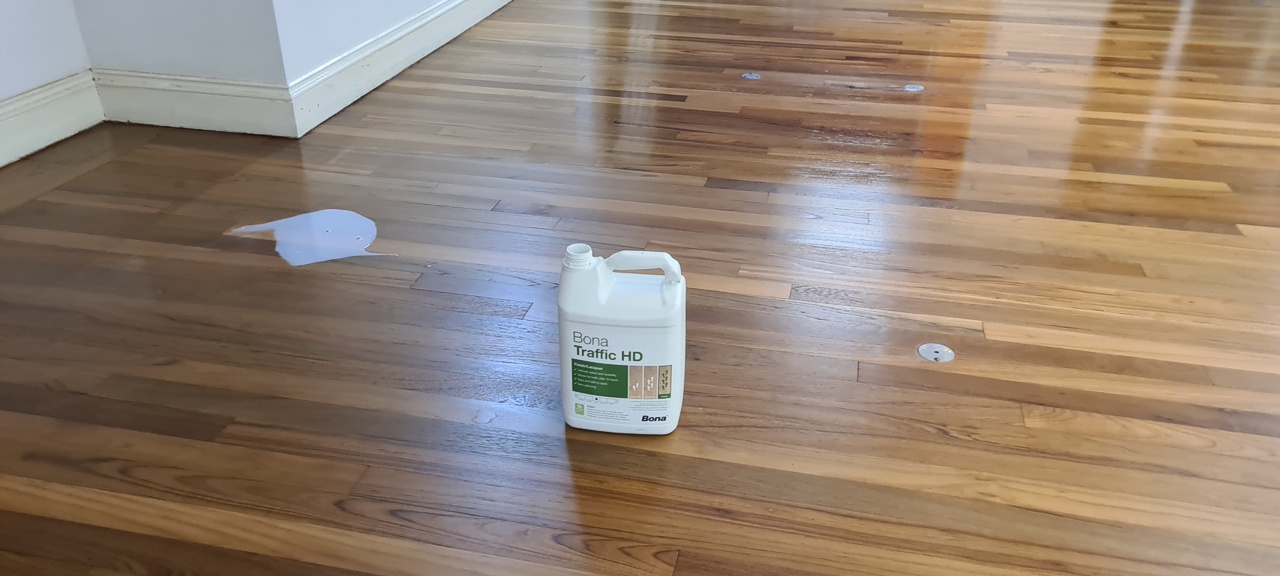
- Bona Traffic HD Lacquer: A widely recognised name in floor finishes, Bona offers an excellent range of water-based lacquers. Their Bona Traffic HD is particularly renowned for its extreme durability, designed for areas with very high traffic, offering quick drying times and full traffic resumption in as little as 12 hours. Bona Traffic Go is another excellent option, a 1-component, 100% polyurethane finish providing great durability for high traffic domestic and light commercial areas, offering simplicity with excellent performance.
- Junckers HT700 Lacquer: Another key player in high-performance wood finishes, Junckers provides a strong line-up of water-based lacquers. Their Junckers HT700 is a 2-component water-based polyurethane lacquer known for its exceptional hardness and suitability for commercial areas with high foot traffic.
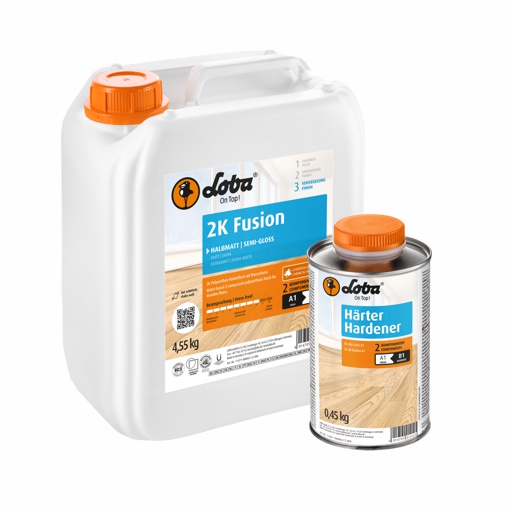
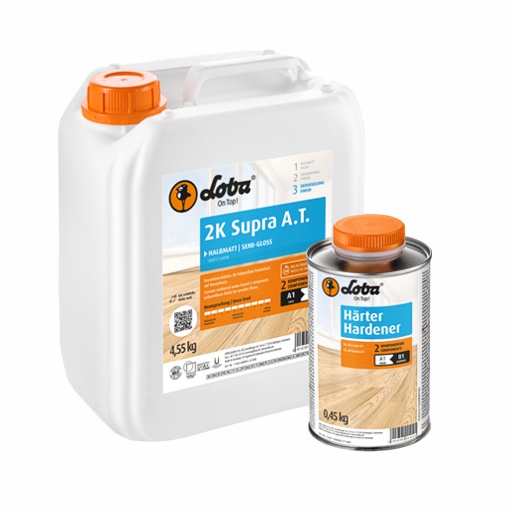
- Loba 2K Supra & Fusion 2K Lacquers: Loba's range of water-based lacquers is highly regarded for its advanced technology and protective qualities. The Loba 2K Supra A.T. is a top-tier option, offering outstanding abrasion resistance and chemical durability. Their Loba 2K Fusion Lacquer also provides excellent protection.
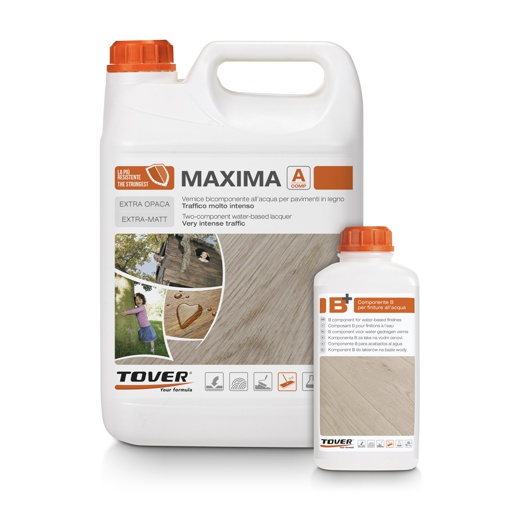
- Tover Maxima 2K Lacquer: Tover is a significant name in wood finishes, offering a range of high-performance water-based lacquers. Their Tover Maxima is a highly durable two-component water-based lacquer specifically designed for very intense traffic areas. It provides exceptional resistance to abrasion and and heavy wear, making it suitable for demanding commercial and public spaces, as well as highly trafficked residential floors. Tover also offers products like Idrolak DR97, another 2-component water-based varnish designed for a natural effect with good durability.
These brands often leverage polyurethane technology in their formulations, which is key to achieving their impressive durability. Many of the most hard-wearing options are "2-component" (2K) systems, meaning they require the mixing of a base lacquer with a separate hardener just before application. This chemical reaction creates a highly cross-linked film that is exceptionally resistant to wear and tear.
Did you know? When booking your wood floor restoration service with Floorworks which includes commercial grade lacquer, you can specify which one of the products to be used with your floors.
Understanding Lacquer Grading: 1K vs. 2K Systems
Lacquers are typically graded by their composition, which directly influences their performance and durability. The two primary categories you'll encounter are:
1-Component (1K) Lacquers: These are ready-to-use formulations that dry through the evaporation of water. While convenient and easy to apply, they generally offer good, but not extreme, durability. They are ideal for areas with moderate wear, such as residential spaces with lighter traffic. Many 1K water-based lacquers still offer excellent everyday protection and are often praised for their user-friendliness and longer pot life.
2-Component (2K) Lacquers: These systems consist of a base lacquer and a separate hardener (or catalyst) that are mixed just before application. The hardener initiates a chemical reaction (cross-linking) that forms a much tougher, more resilient film. 2K lacquers are considered professional-grade and are significantly more durable, offering superior resistance to abrasion, chemicals, and impact. They are the preferred choice for high-traffic commercial environments, sports floors, and demanding residential applications. While they require careful mixing and have a shorter pot life, the enhanced performance is well worth the extra step.
Number of Coats for Best Protection
Achieving optimal durability and a flawless finish for lacquered floors isn't just about choosing the right product; it's also about proper application, specifically the number of coats applied. The sealing process for lacquered floors always begins with a primer, followed by subsequent coats of lacquer.
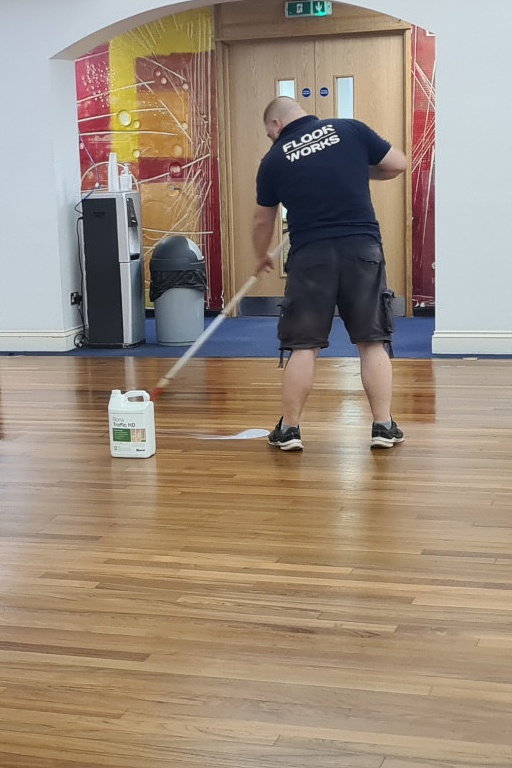
The Role & Benefits of Primer
A primer serves as the crucial foundational layer before applying the main lacquer coats. Wood, especially freshly sanded wood, can have varying porosity. A primer improves the bonding of the lacquer and ensures uniform absorption of the subsequent coats, preventing patchy or uneven finishes.
Water-based lacquers can sometimes cause wood grain to slightly raise. Primers help to minimise this effect, leading to a smoother final surface.
Lacquer Coats for Different Traffic Levels:
After the primer has dried sufficiently (always refer to the manufacturer's instructions for specific drying times), the lacquer coats can be applied. The number of coats required depends on the anticipated footfall and desired level of durability:
Residential Use: For standard residential floors with typical foot traffic, a primer followed by 2 coats of water-based lacquer is generally sufficient to provide excellent protection and durability. This ensures a robust film that can withstand daily wear and tear.
Commercial / High Footfall: For floors experiencing high levels of traffic, such as commercial spaces, hallways, kitchens, or very busy residential areas, it is strongly recommended to apply 3 additional coats of lacquer after the primer. This means a total of one primer coat and three lacquer coats. This increased film build provides maximum resistance against abrasion, scratches, and general wear, significantly extending the lifespan of the floor finish. In some very high-traffic scenarios (e.g., sports halls), even more coats might be specified by the manufacturer.
Always allow adequate drying time between coats as recommended by your service provider or the manufacturer. Proper preparation, including thorough sanding and cleaning, along with the correct number of coats, are paramount to achieving a beautiful and long-lasting lacquered floor.
Looking for Help or Advice on Floor Finishes?
Contact Floorworks™ today and get professional advice about your wooden floors or arrange for no-obligation site visit, for expert assessment and an accurate estimate.

Is the Best Choice of Lacquer Sufficient for the Durability of My Finish?
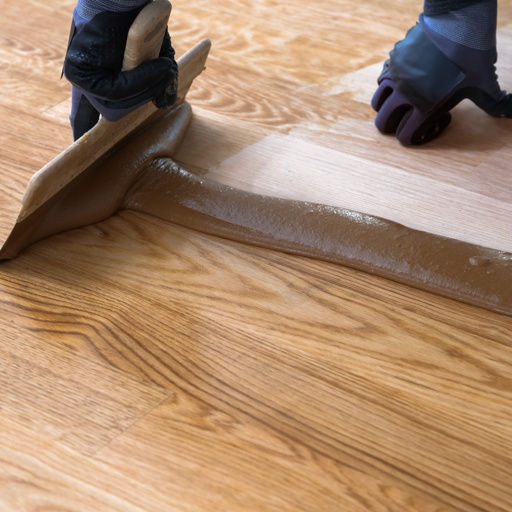
While selecting the most durable water-based lacquer is undoubtedly a major factor in the longevity of your floor's protection, it's crucial to understand that it's not the sole determinant. A high-quality lacquer provides a resilient surface layer, but for some floors like the parquet flooring, the overall integrity and lifespan of your finish depend significantly on the preparatory steps, particularly gap filling.
Gap filling is key to protecting the lacquer, as it seals the way for moisture to deteriorate the finish. Wooden floors, especially older ones, often develop gaps between blocks and planks due to natural expansion and contraction with changes in humidity and temperature.
Therefore, for truly long-lasting protection, particularly in areas prone to spills or high humidity, it is imperative the restoration of your parquet flooring to include gap filling, before applying primer and lacquer. Common methods include using a mix of sawdust from the floor's sanding process combined with a suitable binder (often a resin or specific gap-filling agent).
The Clear Choice: Water-Based vs. Solvent-Based Lacquers
For decades, solvent-based lacquers were the industry standard, prized for their perceived durability and ease of application. However, the landscape of wood finishing has dramatically shifted, with water-based lacquers now firmly established as the superior and virtually exclusive choice for professional and responsible applications. This transition is primarily driven by critical health and safety factors, alongside significant advancements in water-based technology.


