
Engineered wood flooring offers the timeless beauty of real wood with enhanced stability, making it a popular choice for homes across the UK. But like any flooring, it faces wear and tear. When your beautiful planks start showing their age, the big question arises: should you restore them or consider a full replacement? Let's break down everything you need to know to make the best decision for your home.
What Exactly is Engineered Wood Flooring?
Unlike solid wood, which is one continuous piece of timber, engineered wood flooring is a multi-layered product. It typically consists of a top layer (or "wear layer") of real hardwood, bonded to multiple layers of high-density fibreboard (HDF), plywood, or other composite materials. This construction makes it far more stable than solid wood, less prone to expanding and contracting with changes in humidity, and often suitable for use with underfloor heating.
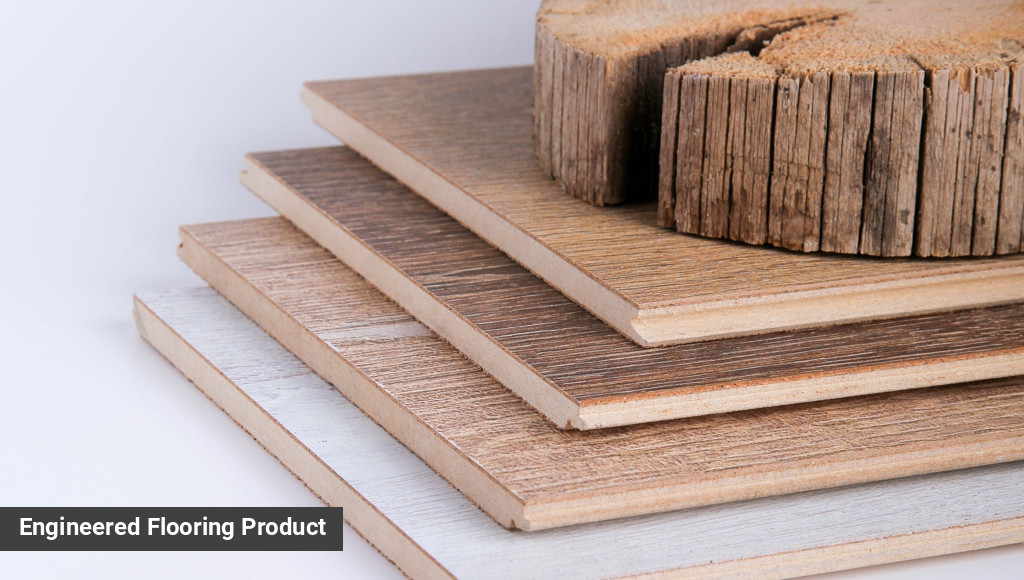
You'll commonly find engineered wood flooring in varying total thicknesses, which often correlates with the thickness of that crucial top layer:
14mm/15mm: A very common standard for residential use. These often feature a 3mm top layer of hardwood.
18mm: A slightly more robust option, often with a 4mm or 5mm top layer.
20mm: The thickest standard, suitable for heavy domestic or even light commercial use. These can have a 4mm or a generous 6mm top layer.
Sanding: How Many Lives Does Your Floor Have?
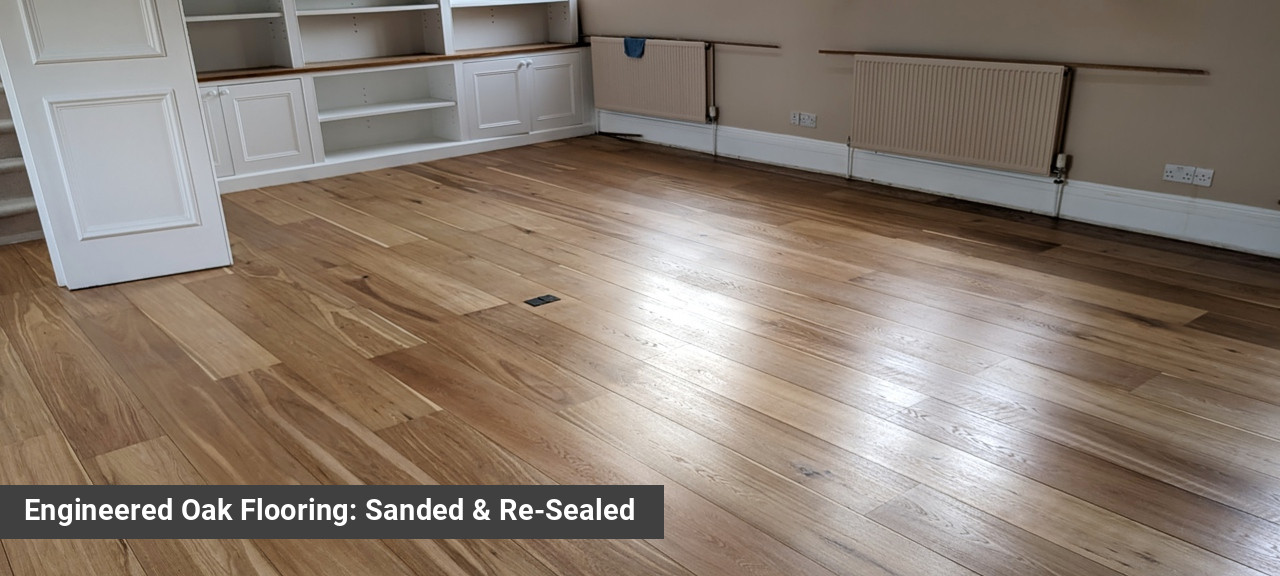
The ability to sand down your engineered wood floor and reveal fresh timber underneath is a huge advantage. However, unlike solid wood (which can be sanded many, many times), engineered wood has a finite number of sandings determined by its top layer thickness. Sanding removes a small amount of wood each time, so it's about preserving that precious top layer.
Here's a general guide:
14mm/15mm (3mm top layer): These can be sanded 1 time. Given the thin top layer, each sanding must be very light and precise to avoid exposing the core material. Many professionals would advise no more than one significant sanding.
18mm (4mm or 5mm top layer): With a thicker wear layer, these floors can typically endure 2 to 3 sandings.
20mm (4mm or 6mm top layer):
4mm top layer: Similar to the 18mm standard, around 2 sandings.
6mm top layer: This is the most durable for sanding, potentially allowing for 4 sandings.
Important Note: The actual number of times a floor can be sanded also depends heavily on the skill of the professional performing the work and the depth of the previous sandings. A very light "screen and recoat" (which just scuffs the finish, not the wood) doesn't count as a full sanding.
Water Damage: A Race Against Time & Rot
Water is wood flooring's nemesis, and engineered wood is no exception. Its multi-layered construction can make it more stable, but also more vulnerable to certain types of water damage.
Minor Spills/Surface Moisture: If water is wiped up immediately, and it hasn't penetrated the finish, your floor is likely fine. You might need a spot repair on the finish, but the wood itself should be unaffected.
Localised Saturation (e.g., small leak): If water has sat on the surface for a while, or seeped into joints, planks can begin to swell, cup, or even delaminate (layers separating).
Restoration Potential: If detected and dried very quickly (within hours to a day), some cupping might flatten out as the wood dries. However, prolonged saturation will likely lead to irreversible damage. The core materials absorb water and swell, causing permanent distortion and weakening.
Mold Risk: Significant water damage also carries a high risk of mould growth beneath the floor, which can pose health hazards and requires professional remediation.
Extensive Flooding: Unfortunately, engineered wood flooring that has been submerged or exposed to standing water for an extended period is almost always beyond restoration. The core layers will absorb too much moisture, delaminate, and lose their structural integrity. In such cases, full replacement is the only viable option.
Always seek professional advice immediately for any significant water damage. They can assess the extent of the damage, advise on drying protocols, and determine if restoration is even possible.
Need Help with Engineered Wood Flooring?
To take advice or book a site visit with Floorworks, if you are considering restoration or replacement of your engineered wood flooring.
We provide supply & fit service as well, so feel free to browse our flooring product range.

The Power of Localised Plank Replacement
Sometimes, the damage isn't widespread. You might have a few deep scratches from moving furniture, a burnt mark, or a particularly stubborn stain on just a couple of planks. If the overall finish of your floor is still in good condition, local replacement of planks can be an excellent, cost-effective solution.
When it works best:
Localized Damage: Limited to a small, contained area.
Good Overall Finish: The surrounding planks still look great, so a repair blends in seamlessly.
Availability of Matching Planks: This is often the biggest challenge. Ideally, you'd have some leftover planks from the original installation. If not, finding a perfect match in terms of wood species, cut, grade, and especially dye lot (the specific shade from that batch) can be very difficult.
A skilled professional can carefully remove the damaged planks and replace them with new ones, often saving you the cost and disruption of a full floor overhaul.
When to Consider Full Replacement
While restoration and localised repairs are often preferred, there are times when a full replacement simply makes more sense.
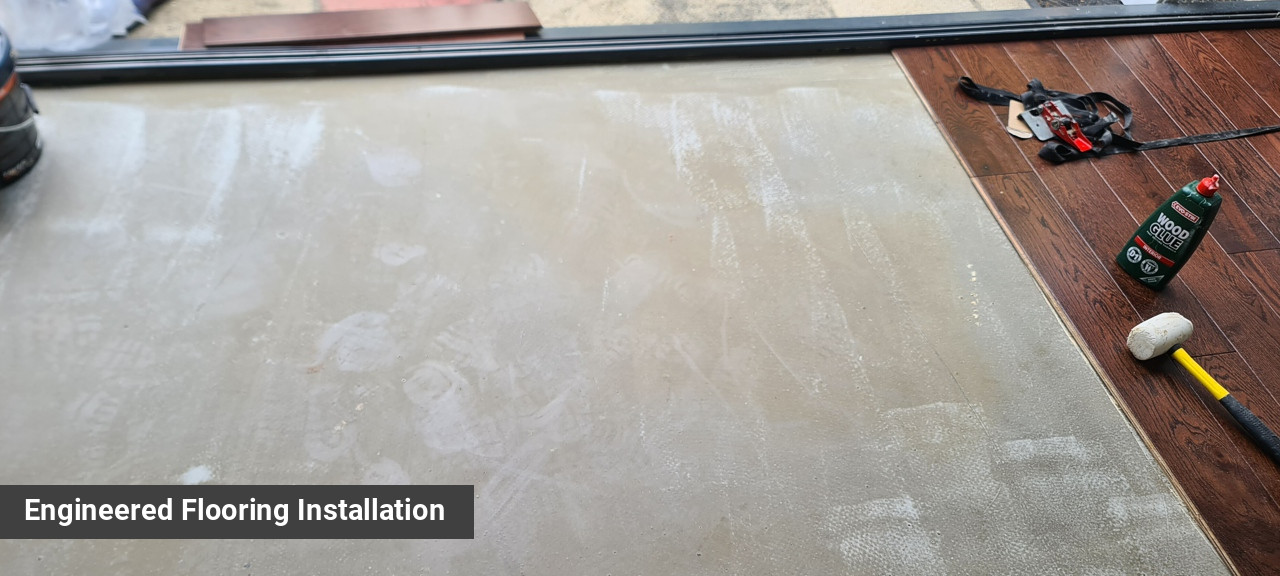
Consider replacement if:
Extensive Damage: Large areas of deep scratches, widespread water damage affecting many planks, or widespread delamination across the floor. Trying to repair or refinish such a large area might be more expensive and less effective than a fresh start.
Wear Layer is Too Thin: If your floor has already been sanded multiple times and the wear layer is dangerously thin, any further sanding risks exposing the core, which cannot be refinished.
Original Installation Faults:
Large Gaps: If your floor has developed significant gaps between planks that weren't there initially, it could indicate issues with the subfloor movement, improper acclimatisation, or poor installation techniques.
Widespread Squeakiness: While some squeaks can be minor, extensive squeakiness often points to subfloor problems, loose planks, or inadequate fastening during the original installation. These issues are often difficult and costly to remedy without lifting and relaying the entire floor.
Aesthetic Desire: Sometimes, your existing floor might be perfectly functional, but you simply desire a completely new look, a different wood species, or a more contemporary style that a restoration can't achieve.
The Verdict: Consult a Professional
Ultimately, the decision to restore or replace your engineered wood flooring depends on the extent of the damage, the thickness of your wear layer, your budget, and your desired outcome.
Before making any big decisions, it's highly recommended to consult with a reputable floor sanding company like Floorworks™. They can accurately assess your floor's condition, advise on the best course of action, provide realistic cost estimates for both restoration and replacement, and help you understand the long-term benefits of each option. They can also often help source matching planks for localised repairs, or guide you through the exciting process of choosing a brand-new floor.


