Gap filling service helps delivering smooth finish througout the floors and prevents moisture deteriorating floor finish
Parquet flooring brings timeless beauty and elegance to any interior. Its intricate patterns and natural charm make it a popular choice for both classic and modern homes. But like all wooden floors, parquet is not immune to wear, tear, and natural movement over time.
One of the most crucial — yet often overlooked — steps in restoring parquet flooring is gap filling. At Floorworks, we always recommend gap filling as part of a comprehensive restoration process, and here’s why.
What Is Used to Fill the Gaps?
During any wood flooring restoration, we typically use a resin-based filler mixed with fine wood dust (created during sanding) to match the exact tone of your parquet floor. This ensures a flawless, natural look. For larger gaps or repairs, more specialised fillers or even slivers of wood may be used for structural support and appearance.
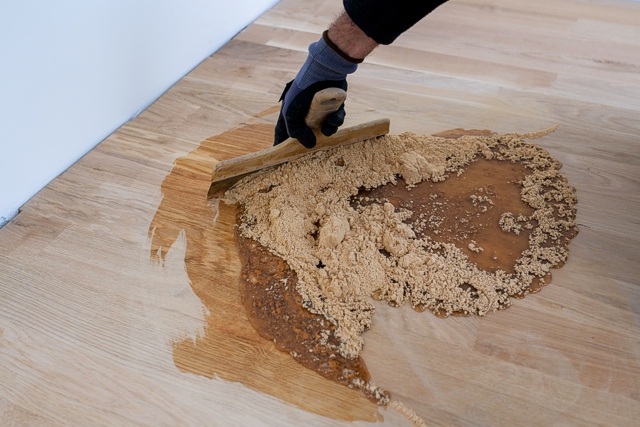

1. Gap Filling Restores the Appeal of Your Floor
Over time, wooden parquet blocks shrink slightly due to changes in temperature and humidity, which causes unsightly gaps to appear between them. These gaps can disrupt the neat pattern and harmony that makes parquet floors so special.
Gap filling helps bring back the seamless, continuous look of your original floor design by filling those small spaces with a colour-matched resin or filler. As it takes additional time and materials, it comes as an extra service and at addition price, but ensures the aesthetic integrity of your parquet is preserved, making your floor look as beautiful as the day it was first laid - check our floor sanding prices.
Gaps between parquet blocks often trap dust, pet hair, food crumbs, and other debris, making the floor harder to clean and maintain. This can be particularly problematic for allergy sufferers or homes with pets and young children.
By filling the gaps, you prevent dirt from accumulating in hard-to-reach spaces. This makes your floor easier to clean, reduces allergens, and contributes to a healthier home environment.
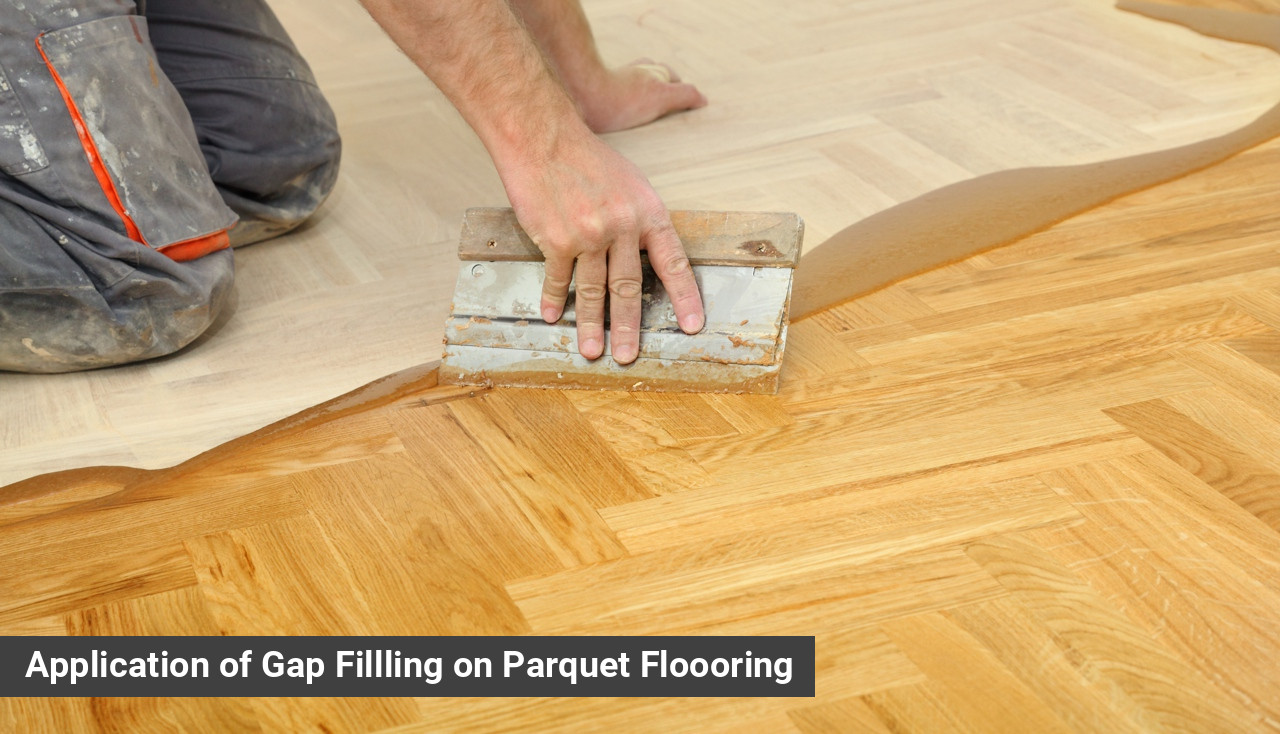
2. Improves Longevity & Floor Stability
Gaps can allow individual parquet blocks to loosen or even become dislodged over time, especially in high-traffic areas. Filling those spaces with a flexible yet durable filler helps to lock each piece in place, increasing the floor’s overall integrity.
This is especially important when sanding, as vibration and pressure from sanding machines can worsen loose blocks if the floor is not properly secured.
3. Prepares the Floor for a Smooth Sanding Process
Gap filling isn’t just about what you see on the surface — it’s also about what lies beneath. Gaps can affect how evenly the sanding machine glides across the floor. If gaps are present, the machine may sand unevenly or cause edge chipping.
By filling in the gaps first, you create a smooth, level surface for sanding, which leads to a far better final result — both in appearance and durability.
4. Protects the Finish & Wood Against Moisture
Unfilled gaps can let moisture and humidity seep between blocks, increasing the risk of warping, swelling, or rotting, particularly if spills are not quickly cleaned. Gap filling acts as a moisture barrier, helping to protect your floor from future damage caused by environmental changes.
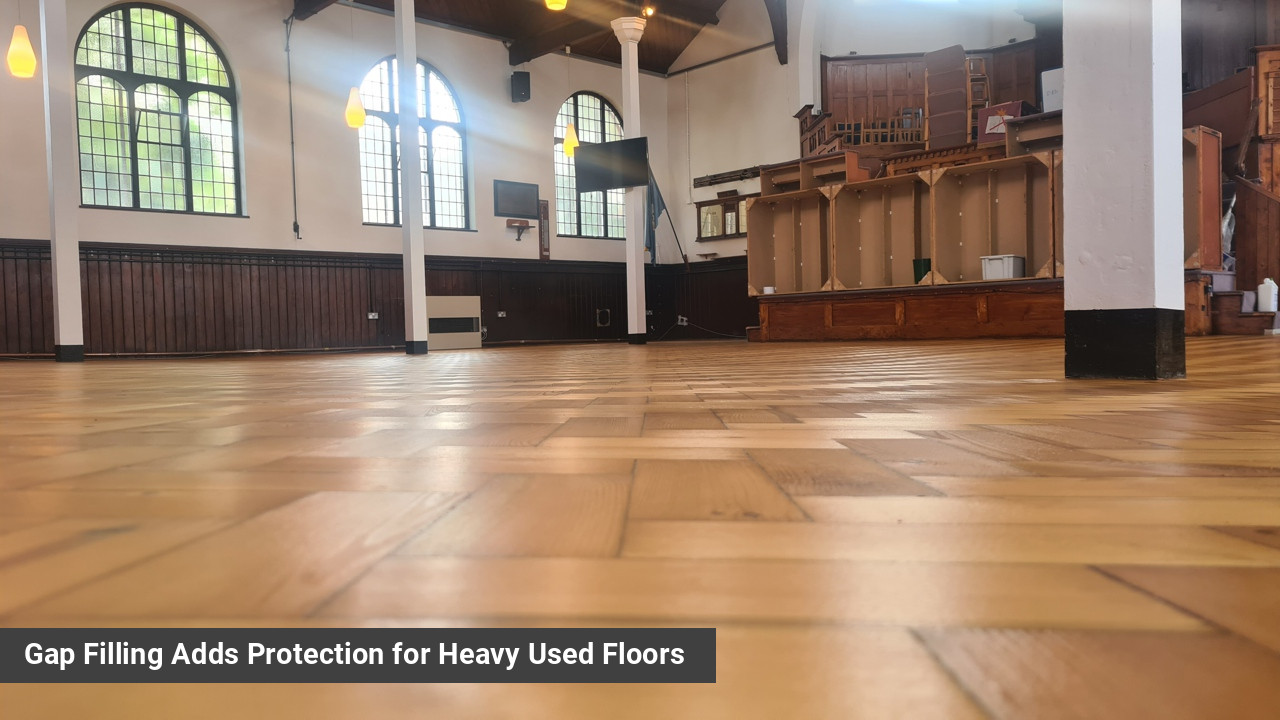
The effect of gap filling is especially evident in high traffic areas like school halls and church halls.
5. Cost-Effective Long-Term Maintenance
While it may seem like a small step in the restoration process, gap filling significantly extends the lifespan of your floor. A well-filled parquet floor requires less frequent repairs, holds its finish better, and is more resistant to everyday wear.
In other words, it’s a smart investment that saves you time and money in the long run.
All our quotes for school floors restoration and renovation of floos in churches and community halls, as well as office and retail spaces, where excessive mopping can be a possible maintenance risk, will include recommendation for this additional (in some cases) service.
Gap Filling: Final Thoughts from Floorworks
At Floorworks, we believe in doing things properly. That’s why we always recommend including gap filling as a standard part of any parquet flooring restoration, especially in floors with public and commercial use. It’s not just about how your floor looks — it’s about how well it performs and lasts for years to come.
Have questions or thinking of restoring your parquet flooring? Contact Floorworks for a friendly consultation and expert advice.