
Not sure if your parquet floor can be saved? Discover the warning signs that indicate restoration is no longer possible, and what to do next.
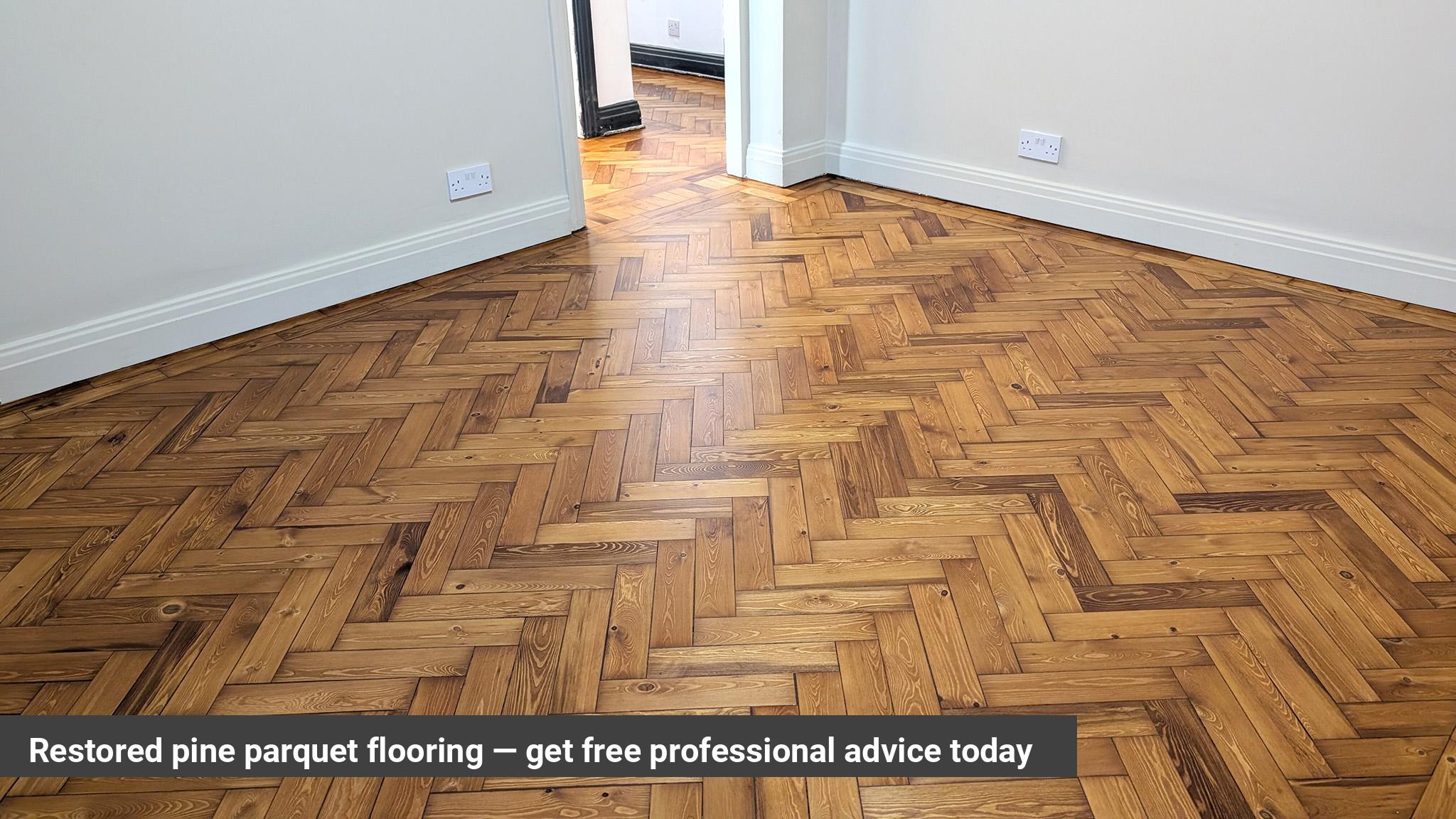
Parquet flooring is a timeless architectural feature that adds warmth, character, and undeniable value to any home. Constructed from solid wood blocks or high-quality engineered planks arranged in geometric patterns, it is famously resilient. A good sanding, some fresh finish, and a bit of patience can usually bring a tired floor back to life.
However, wood is an organic material, and it does not last forever. There comes a tipping point where restoration efforts are no longer viable, and attempting to save the floor becomes a waste of time and money.
If you are trying to decide whether to call in a floor sander or a demolition crew, here are the definitive signs that your parquet flooring has reached the end of its life.
The Wear Layer is Completely Worn Down
The most common limitation for restoring any wood floor is the thickness of the wood itself. Parquet blocks can only be sanded down so many times before you run out of usable material.
- For Solid Parquet: Traditional solid blocks are held together by a tongue-and-groove system or adhered directly to the subfloor. If previous restorations have sanded the wood down to the tongue or the internal nails/staples, the floor can no longer be sanded.
- For Engineered Parquet: Engineered planks have a top layer of real hardwood (the wear layer) over a plywood core. If this wear layer is less than 1 millimeter thick, a drum sander will rip right through it, exposing the ugly plywood beneath.
The Veneer Test: Find a spot near a doorway, heating vent, or transition strip where you can see the cross-section of the parquet. If the top wood layer looks paper-thin, restoration is off the table.
Widespread Subfloor and Adhesion Failure
A parquet floor is only as stable as the adhesive holding it down. In older homes, parquet was often secured using bitumen (a black, tar-like substance) or early-generation glues that degrade over decades.
If a few blocks are loose, they can be re-glued. However, if walking across the room feels like walking on a shifting puzzle, or if you hear a chorus of hollow, crunching sounds with every step, the entire grid has lost its bond. When the vast majority of the blocks are loose, lifting, or lifting the subfloor with them, scraping off the old adhesive and relaying hundreds of tiny blocks is rarely cost-effective compared to full replacement.
Deep Structural Water Damage and Cupping
Wood and water are ancient enemies. While a minor spill won't ruin your floor, a prolonged plumbing leak, appliance failure, or subfloor moisture issue will spell disaster for parquet. If you've experienced a leak, read our guide on what to do when your wooden floor is affected by water damage to catch the issue early.
Severe water damage manifests as:
- Cupping and Crowning: The edges of the wood blocks warp upward or downward, creating an uneven, rolling surface.
- Buckling: The wood expands so much from moisture that the blocks lift completely off the subfloor, forming tents or ridges.
- Black Staining: Water introduces mold or reacts with the tannins in woods like oak, turning the wood a deep, irreversible black.
If the warping is severe or the black water stains penetrate deep into the grain, sanding will not fix it. You would have to grind away too much wood to make the floor level again, destroying the wear layer.
Extensive Pest Damage
If wood-boring insects—such as termites or powderpost beetles—have made a meal out of your parquet, the damage is often worse than it looks on the surface.
While you might only see a few tiny exit holes, the interior of the wood blocks could be riddled with tunnels, effectively turning the structural wood into a fragile, spongy honeycomb. Applying a heavy industrial sander to a pest-damaged floor will often cause the wood to crumble under the machine's weight. If structural integrity is gone, replacement is your only safe option.
Chronic Gapping Throughout the Pattern
Wood naturally expands and contracts with seasonal humidity changes, but extreme, permanent gapping is a sign of structural failure.
If your parquet has wide, consistent gaps between almost every single block, it usually means the wood has dried out completely, shrunk past the point of recovery, or the subfloor has shifted. While you can fill minor gaps with a mixture of resin and sanding dust, attempting to trowel-fill a floor that is more gap than wood will look messy. The filler will inevitably crack, pop out, and vacuum up within a few months.
Contact Floorworks™ for a Free Assessment and Consultation

The Ultimate Verdict: Repair or Replace?
Restoring a parquet floor is always the preferred option for historical charm and sustainability. However, if your floor exhibits a combination of structural instability, paper-thin wood, and extensive environmental damage, you are no longer looking at a restoration project—you are looking at a liability.
When the cost of labor to meticulously repair, re-glue, and patch a failing parquet floor exceeds the cost of installing a beautiful new hardwood floor, it is time to say goodbye and lay down a fresh foundation for your home.


