
School floors endure some of the highest foot traffic of any commercial building. From muddy shoes and spilled cafeteria lunches to the scraping of desk chairs and the frantic rush of recess, these surfaces take a beating. Over time, even the most durable surfaces lose their luster, becoming scratched, dull, and difficult to clean.
A successful school floor restoration not only revives the building’s aesthetic appeal but also ensures a hygienic, safe environment for students and staff. Whether you are managing an entire campus or focusing on a specific school hall floor restoration, careful planning is critical to avoid disrupting the academic calendar.
Here is a step-by-step guide to planning a seamless school flooring restoration project.
Evaluate Your Educational Facility Flooring
Before diving into timelines and budgets, you need an accurate assessment of your current surfaces. Different areas of an educational facility flooring network utilise different materials, each requiring a specialised approach.
- Identify the Flooring Product & Timber: Walk through the building to map out the floor types. Within the wooden flooring types you will likely encounter parquet flooring, solid wood flooring, original pine floorboards or engineered wood flooring. Due to their thickness and longevity, some popular timber flooring products include parquet flooring blocks and Junckers beech or oak 2-strip planks.
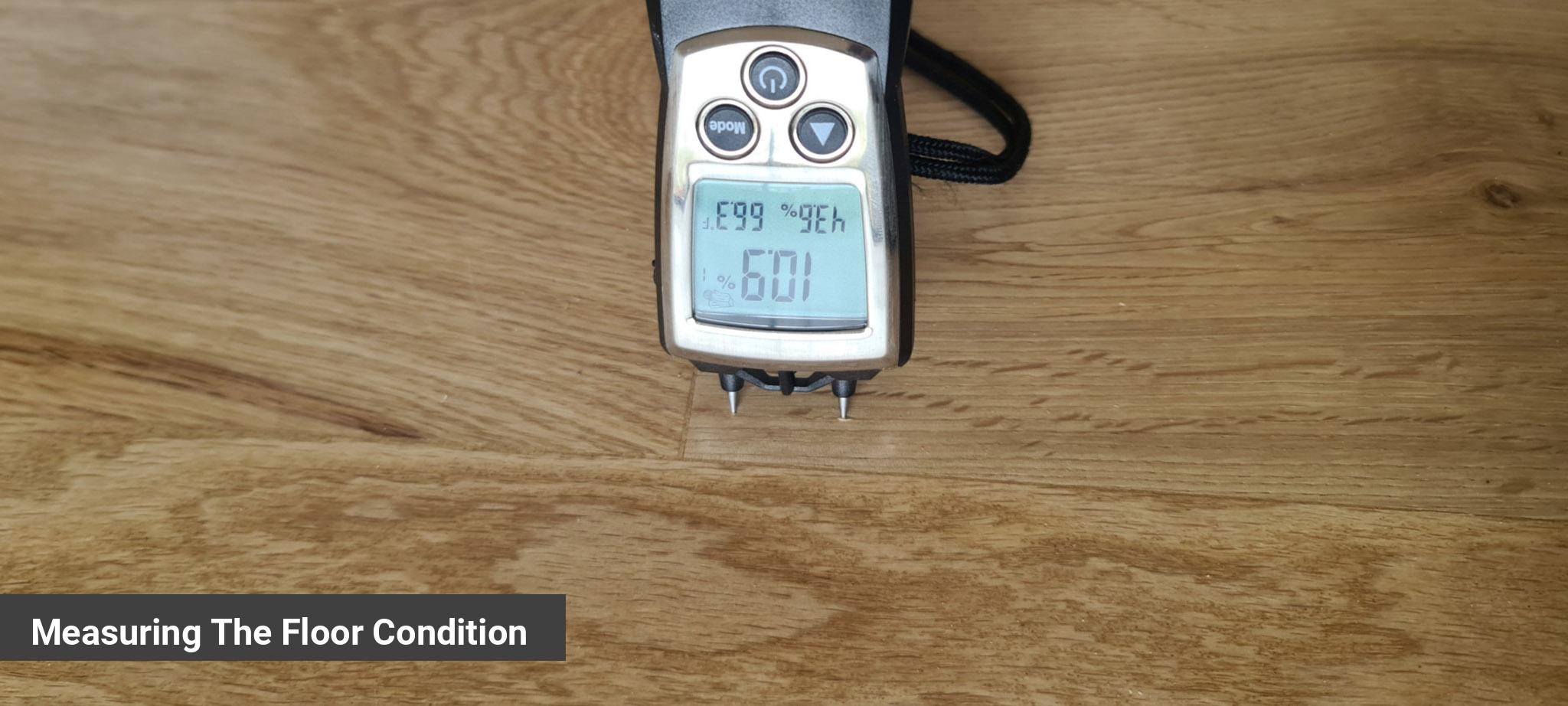
- Assess the Damage: Check remaining thickness on your wooden flooring and look for deep scratches, yellowing wax buildup, cracked tiles, or water damage to determine if you need minor school floor repair or a complete school floor renovation. Ask for professional advice if you doubt your wooden floors may not have sufficient remaining thickness.
- Determine the Technical Scope: Can the floor be saved with a deep scrub and a fresh seal, or does it require aggressive school floor sanding and a full school floor refinishing?
Timing is Everything: Choose the Right Window
The biggest logistical hurdle in school floor maintenance is avoiding disruptions to learning. For major school floor refurbishment work, timing must be planned around school holidays.
Summer Break: This is the golden window. With the building empty for several weeks, school flooring contractors have the time needed for multi-step processes like stripping, curing, sanding, and sealing without rushing.
Half-Terms and Short Breaks: These shorter windows (usually 1 to 2 weeks) are ideal for localized projects, such as tackling a single wing of hallways, a main entrance lobby, or a specific school gym floor restoration.
Off-Hours and Weekends: For minor touch-ups, swift school floor repair, or high-speed burnishing, scheduling work overnight or over a long weekend keeps the facility fully operational.
Work with Professional Floor Restoration Contractors
While daily caretakers handle basic up-keep, heavy-duty refurbishment demands specialized expertise and heavy industrial machinery.
In-House vs. Specialist Teams: Complex tasks—such as specialized school floor sanding on heritage timber or diamond-polishing terrazzo—should always be outsourced to experienced school flooring contractors.
Heavy-Duty Materials: Ensure your contractor specifies premium, high-durability coatings designed for commercial school flooring. Investing in high-grade finishes reduces the frequency of future interventions.
Safety Accommodations: A trustworthy professional floor restoration company will provide comprehensive risk assessments, method statements (RAMS), and ensure proper warning signage is used throughout the project.
Contact Floorworks™ today for a free consultation
Book an obligation-free site visit for advice and professional assessment of your timber school floors.

Prioritise Health, Safety, and Sustainability
Schools are sensitive environments. The products and methods used during a school floor renovation must prioritize the long-term health of children and staff.
Low-VOC and Odorless Products: Traditional floor strippers and lacquers can emit strong volatile organic compounds (VOCs). Opt for certified green, low-VOC, or odorless finishes to ensure indoor air quality isn't compromised when students return.
Slip Resistance: Ensure all chosen seals and finishes meet or exceed commercial safety compliance for slip resistance, particularly in high-moisture areas like cafeterias, changing rooms, and entryways.
Dust-Free Sanding: If timber floors are being resurfaced, ensure the team utilizes advanced, HEPA-filtered dust containment systems to prevent fine particles from settling into the school’s ventilation system.
Prepare the Space & Coordinate Logistics
A smooth execution relies heavily on the preparation work completed before the restoration crew arrives on site.
Clear the Area: Every desk, chair, filing cabinet, and trash can must be completely removed from the target zone. Coordinate with teachers well in advance so they can pack up classrooms.
Communicate the Plan: Notify all stakeholders—including administration, sports coaches, and summer camp coordinators—of the exact dates specific zones will be closed.
Set Up Ventilation: Ensure the school’s heating and ventilation systems can be adjusted to assist with drying and curing times, or arrange for industrial air movers to keep air circulating.
Establish a Post-Refurbishment Care Plan
The successful floor restoration of your schools floors is only half the battle; preserving the results is where you secure a true return on investment. At Floorworks™ we recommend Bona cleaning and maintenance products and strict routines tailored to the type of finish.
Lacquered Floors
Lacquered finish is built with durability and low maintenance in mind - it provides maximium protection form mechanical and water damage for years, without the need and expense of recoating. For commercial use Floorworks™ recommends 4 coats of industry's most durable commercial-grade lacquers.
- Bona Cleaner: Available in 5L concentrate, this efficient cleaning solution with quick evaporation will prevent your floors remaining wet and preserve the lacquered finish longer.
- Bona Deep Clean Solution: Bona Deep Clean Solution is a versatile heavy-duty cleaner for both wood and resilient flooring. It is excellent for both periodic deep cleaning and as a degreaser before recoating. Can be used in manual cleaning or combination with the Bona PowerScrubber it produces a squeaky-clean surface optimally prepared for the application of maintenance products or for recoating with Bona lacquer.
- Bona Commercial System Kit: The Bona Commercial System Kit contains a lightweight-yet-sturdy telescopic pole made of brushed aluminium. It has a 60 cm wide mop base, designed with a raised edge to trap dirt, as well as a Bona Cleaning Pad and a Bona Dusting Pad.
Oiled Floors
Hardwax-Oil finish is built for sustainability through maintenance - it provides protection, which requires.
- Bona Wax Oil: A durable wax oil for periodic maintenance of oiled and hardwax oiled surfaces. Restores dry oiled wood floors while adding a protective layer of wax which creates an increased resistance to water and spills.
- Bona Oil Soap: Bona Oil Soap is a cleaner made of saponified plant oil, specifically designed for the regular cleaning and care of oiled wood floors. Bona Oil Soap cleans while nourishing the surface, leaving a thin protective film that can be buffed for more shine.
Protect High-Traffic Areas: Place high-quality, commercial-grade mats at every entrance to control soil and moisture. This will reduce floor wear by up to 80%, keeping your newly restored floors looking beautiful and safe for years to come.


